
The Experience Does Not End When the Event Ends
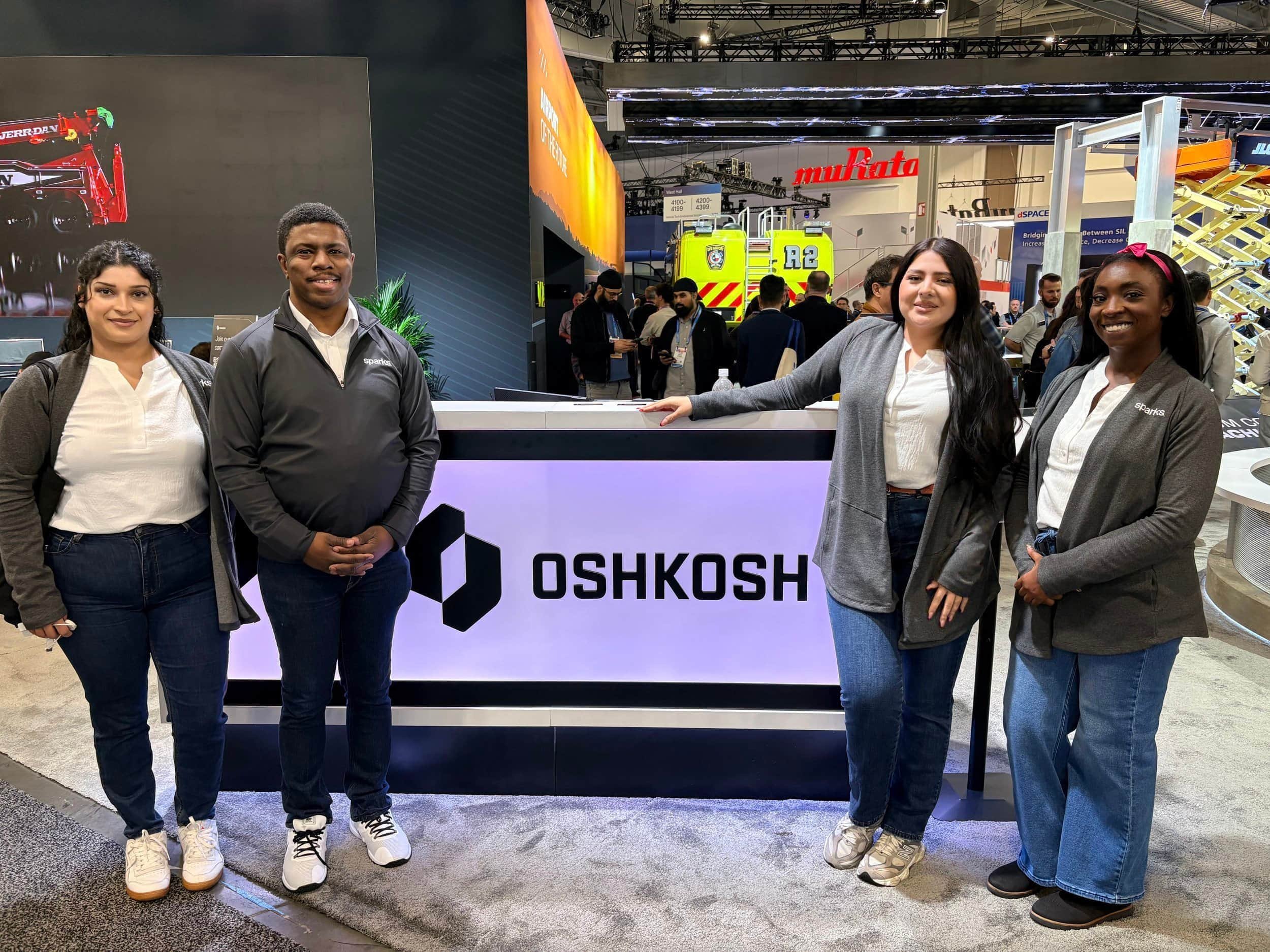
Most brands treat activations like a finished product, something you launch, run, and then pack away. The brands that stand out take a different approach. They treat each activation as part of something ongoing, something that evolves with every interaction. This shift matters more for electronics brands, where expectations move fast and audiences expect brands to keep up.
Before getting into how to apply this, a few key questions set the foundation.
Frequently Asked Questions
What is a feedback-driven experience strategy
A feedback-driven strategy uses real audience input to shape and improve experiences over time instead of treating each activation as a one-off.
Why does this matter for electronics brands
Electronics audiences expect responsiveness and innovation, so experiences need to evolve to stay relevant.
What should brands measure during activations
Focus on how people interact, where they spend time, and what they say or ask during the experience.
Start With the Audience, Not the Product
It is easy to lead with features, especially in electronics, but people do not connect with specs first. They connect with what they can do. When someone steps into an activation, they want to try something, not read about it. The strongest experiences pull people in through action, then let understanding follow. A quick interaction builds curiosity, and curiosity keeps people engaged long enough to learn more. When brands flip this order, the experience feels natural, and people stay longer without being asked to.
Build Experiences That Learn and Adapt
An activation should feel alive, not fixed. The first day should not look exactly like the last. As people move through the space, they show you what works and what does not. Some areas draw attention, others get ignored, and certain interactions keep people engaged longer than expected. These signals matter, and the brands that act on them quickly see better results. A simple shift in layout, a clearer demo, or a more visible entry point can change how people engage within hours. Over time, these small adjustments build a stronger, more effective experience.
Design for Ongoing Interaction, Not One-Time Moments
One interaction rarely tells the full story, especially when products need exploration. A better approach builds layers into the experience. Someone might start with a quick touchpoint that sparks interest, then move into a deeper interaction that shows how the product works, and finally reach a moment that encourages sharing or follow-up. Each step feels like a natural progression, and that progression keeps people engaged without forcing them through a set path. The experience grows with their interest.
Make Feedback Visible to the Audience
People respond when they feel heard, and that response becomes stronger when they can see the impact of their input. When an activation reflects audience choices in real time, the experience shifts from passive to collaborative. A small change based on feedback signals that the brand is paying attention, and that signal builds trust. This does not need to be complex. Even simple adjustments that people can notice create a sense of involvement, and that involvement keeps them engaged for longer.
Turn Data Into Immediate Action
Collecting data during an activation is standard, but acting on it quickly is where the difference shows. If people hesitate at a certain point, something needs to change. If a feature attracts attention, it deserves more space. If a message confuses, it needs to be simplified. The faster these adjustments happen, the more effective the experience becomes. Electronics brands already operate in fast cycles, and their activations should reflect that same speed.
Connect Physical Experiences to Digital Ecosystems
An activation should not stand alone. It should lead somewhere. When someone engages with a product in person, there should be a clear next step that continues the interaction. This could be a simple scan, a saved preference, or a piece of content that builds on what they just experienced. This connection turns a single moment into something ongoing, and it gives the brand more ways to stay relevant after the event ends.
Prioritize Usability Over Spectacle
Big visuals draw people in, but ease of use keeps them there. If someone cannot figure out how to engage within seconds, they move on. Clear entry points and simple interactions remove hesitation and make the experience feel accessible. For electronics brands, this matters even more. Products already carry complexity, so the experience should reduce friction, not add to it.
Create for Different Levels of Interest
Not everyone engages in the same way, and a strong activation makes space for that. Some people want a quick interaction before moving on, while others want to spend time exploring. The experience should support both without making either feel out of place. This layered approach increases reach while still giving depth to those who want it, which makes the activation more effective overall.
Use Staff as Real-Time Insight Collectors
Technology shows what people do, but people show why they do it. Staff on the ground notice hesitation, answer questions, and pick up on reactions that data alone cannot capture. These insights help refine the experience as it runs, and they often highlight opportunities that numbers miss. For electronics brands, where understanding matters, this human layer adds clarity and depth to the feedback loop.
Think Beyond the Campaign Timeline
The most effective brands do not start from scratch each time. They carry insights forward, refine what worked, and improve what did not. Each activation becomes part of a larger system that grows stronger over time. This approach creates consistency while still allowing for change, and it ensures that every new experience performs better than the last.
Key Takeaways
Experiences work best when they evolve, not when they stay fixed. Starting with interaction draws people in and builds curiosity, while layered engagement keeps them involved for longer. Real-time feedback allows brands to adjust quickly, which improves performance during the activation instead of after it ends. Clear, simple design removes friction and increases participation, while digital connections extend the experience beyond the physical space. Over time, each activation builds on the last, creating a system that improves with every interaction and keeps the brand relevant.
