
The Street as a Stage
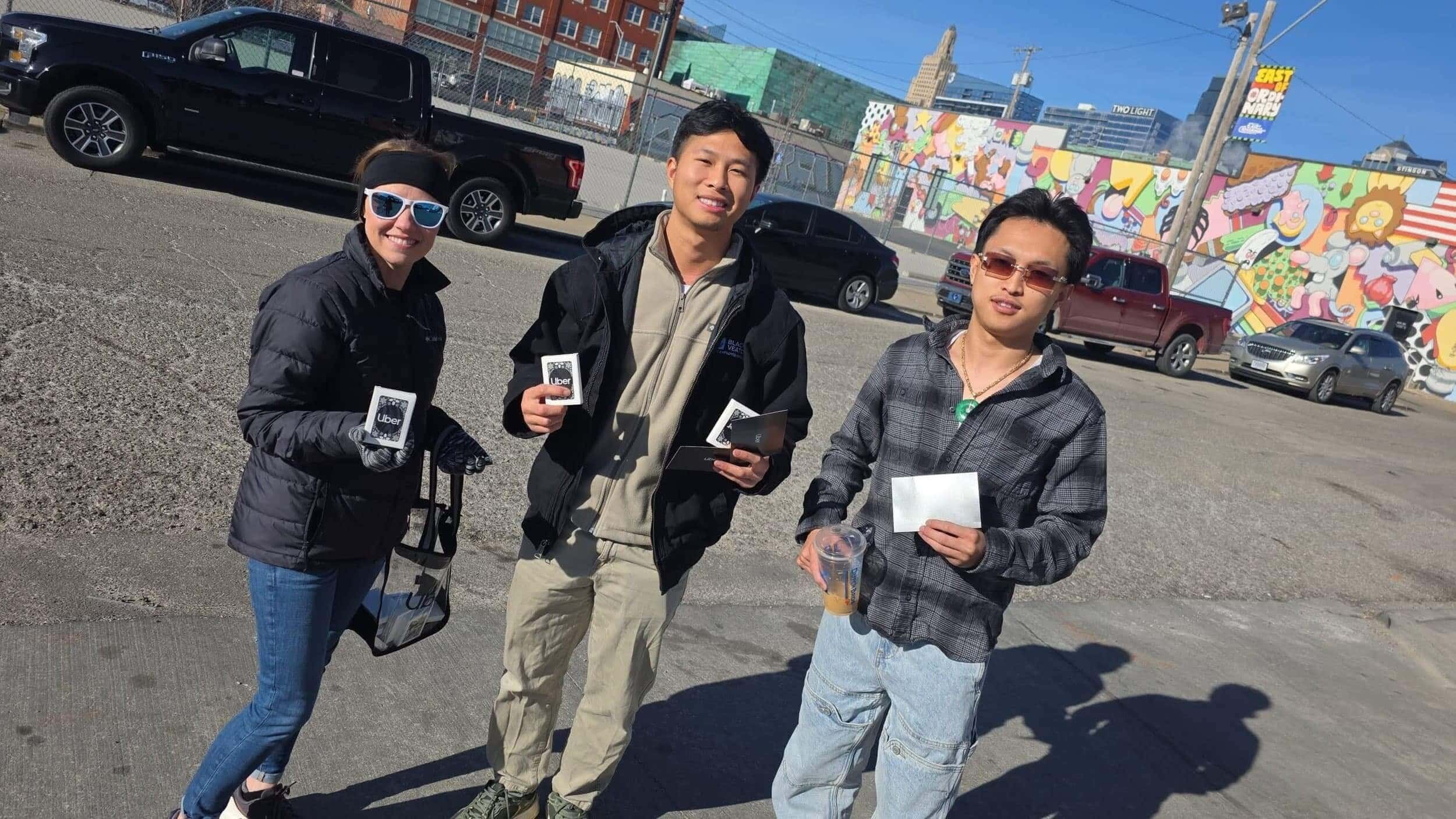
A city street used to be a place you moved through, but now it holds attention, shapes behavior, and gives brands a way to meet people where they already are. People no longer respond to passive messaging in the same way, so brands shift toward experiences that invite interaction and create memory instead of simple exposure. Before looking at how this shift plays out, a few key questions frame the idea.
Frequently Asked Questions
What is a streetscape activation
A streetscape activation turns everyday public space into a branded experience where people interact as part of their normal routine.
Why are brands using streets more often
Digital channels feel crowded, while physical space offers direct interaction that builds stronger recall and emotional connection.
What makes a streetscape campaign effective
Clear interaction, quick engagement, and something worth sharing drive results.
Blending Into Daily Movement
A familiar street can change without warning, and that shift is often what pulls people in. A crossing might carry bold color, or a sidewalk might respond to movement, and people slow down because something feels different even if they cannot explain why at first. The key is subtle integration, since the experience does not interrupt behavior but instead fits into it and gently changes how people move through the space. This approach works because it removes the need for effort, and people engage without planning to, which makes the interaction feel more natural and less like marketing.
Design That Shapes Perception
Street environments already influence how people feel, and small design changes can shift perception in a meaningful way. When a brand steps into that environment, even briefly, it becomes part of how people experience the space and remember it later. A well-executed activation fits the surroundings, changes the visual rhythm, and gives people a reason to pause, which creates a moment that stands out without feeling forced. This balance between familiarity and change is where strong streetscape work succeeds.
Speed and Simplicity
Attention moves quickly, and streetscape activations reflect that pace. Most interactions last only a few seconds, yet those seconds carry enough impact to create a lasting impression because the entry point is immediate and the payoff is clear. People step into the experience without instructions, and the simplicity of the interaction keeps engagement high while reducing friction. This shift toward faster engagement mirrors digital behavior, where people expect quick, clear experiences that fit into their flow.
Scale Without Barriers
A busy street offers reach that few controlled environments can match. Thousands of people pass through the same space in a single day, and each person becomes a potential participant without needing a ticket or invitation. This open access increases exposure while maintaining authenticity, since people engage on their own terms rather than being guided through a structured experience. Participation at this scale builds stronger memory because people do not just see the brand, they step into it.
Context Matters More Than Ever
Every street carries its own rhythm, and that rhythm shapes how people respond to what they see. An activation placed in a fast-moving business district needs to work quickly, while one in a social or leisure area can invite longer interaction. Brands that succeed pay attention to these differences, and they design experiences that match the energy of the space rather than trying to override it. This alignment makes the activation feel relevant, which increases both engagement and recall.
From Interaction to Content
People naturally document what stands out, and streetscape activations often give them a reason to do so. A visually striking installation or a playful interaction becomes content within seconds, and that content extends the reach far beyond the physical location. Each post carries the experience into new spaces, and the street becomes both the origin and the distribution channel. This dual role adds value without increasing complexity, which makes the format efficient for brands looking to expand impact.
Measuring What Happens on the Street
Tracking public interactions once felt difficult, but that is no longer the case. Brands now use simple tools to understand movement, measure engagement, and connect physical behavior to digital follow-up. This turns an open street into a measurable environment where each interaction adds insight. The result is a clearer view of what works, which allows brands to refine future activations with more precision.
A Shift in Approach
Streetscape activations reflect a broader change in how brands think about presence. Instead of building large, isolated experiences, the focus moves toward smaller touchpoints placed in high-traffic areas where people already spend time. This approach increases frequency and creates repeated exposure, which builds familiarity over time. Each interaction may be brief, yet the cumulative effect shapes how people recognize and remember the brand.
Key Takeaways
Streetscape activations place brands directly into everyday movement, which removes barriers and increases natural engagement. Short, simple interactions match how people behave in fast-moving environments, and this alignment keeps participation high. Public spaces offer scale without requiring structured entry, while local context shapes how effectively an activation connects with its audience. Each interaction holds potential for both memory and content, which extends reach beyond the street itself. Over time, repeated exposure in familiar spaces builds recognition in a way that feels organic rather than forced.
