
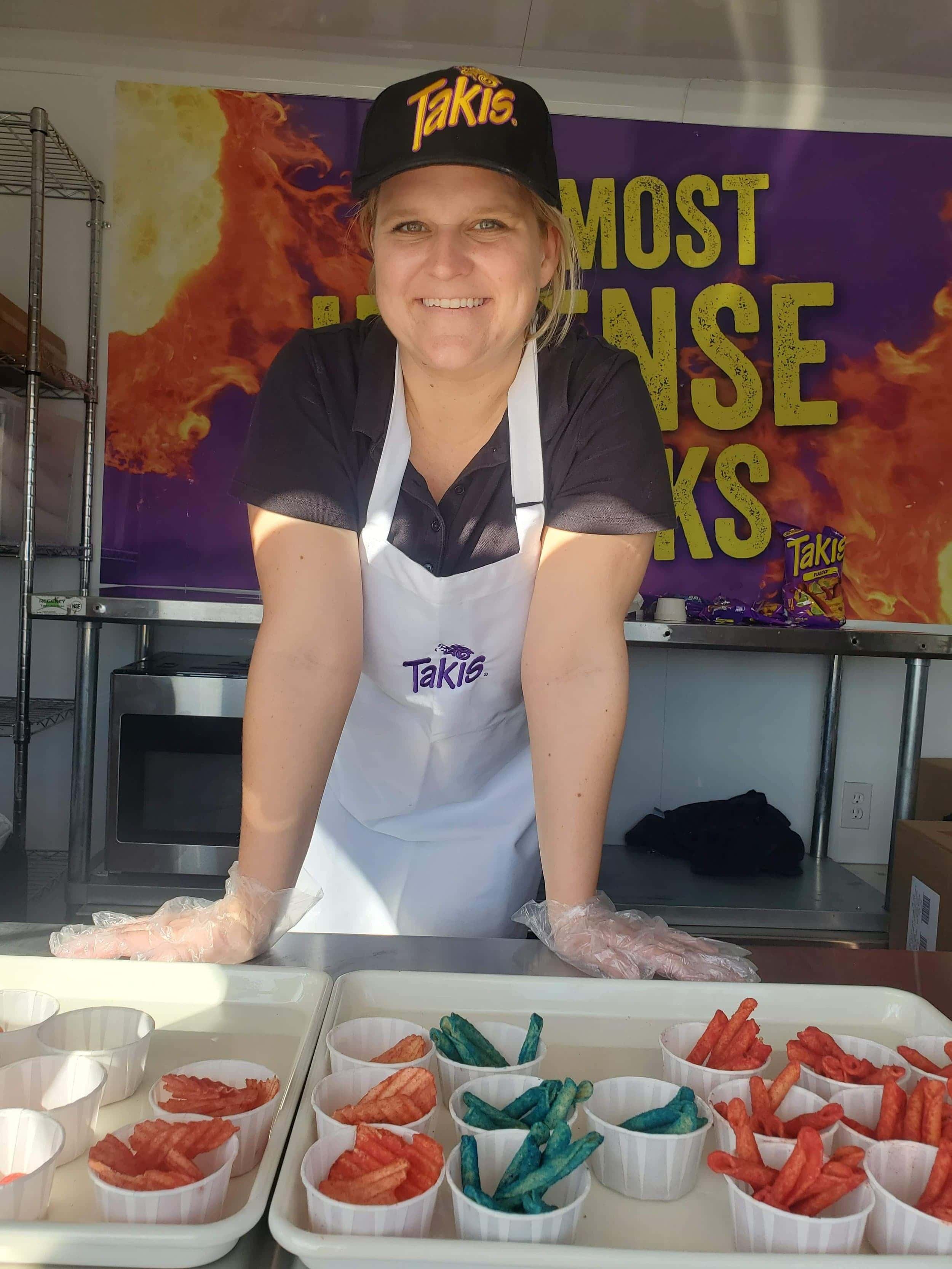
Most event activations still chase volume, focusing on how many people pass through a space or pick up a sample, but brands are shifting toward something far more valuable, which is sustained attention, emotional connection, and repeat engagement that continues long after the event ends. This shift is shaping what is now widely referred to as the superfan economy, where a smaller group of highly engaged individuals delivers more long-term value than large groups of passive attendees who engage once and forget the experience.
Why brands are moving toward superfans
A superfan is someone who does more than interact briefly with a brand at an event, as they stay longer, ask questions, engage with staff, and often share their experience with others, both in person and across digital platforms. Brands are investing in this behaviour because retention costs less than constant acquisition, word-of-mouth carries more credibility than paid messaging, and repeat engagement builds stronger lifetime value that compounds over time rather than resetting after each activation. This changes how success is defined at events, since a strong interaction with one engaged person often creates more impact than dozens of quick, forgettable exchanges.
Where traditional event staffing falls short
Many staffing approaches still focus on speed and throughput, where teams are trained to move large groups through an activation quickly, distribute product efficiently, and maintain constant flow without interruption. While this approach helps with visibility, it rarely creates depth, since rushed interactions limit conversation, reduce personal connection, and remove the space needed for curiosity or emotional engagement to develop. In environments like this, the people who are most interested often get the same treatment as those who are simply passing through, which means the opportunity to convert genuine interest into loyalty is often lost.
How event staffing shapes superfans
Event staff sit at the centre of the entire activation, because every interaction becomes a direct reflection of how the brand is experienced in real time, and this makes their role far more strategic than operational. When staff slow the pace of engagement where needed, they create space for real conversation instead of transactional exchanges, and this often leads to stronger recall and more meaningful interest in the brand. When they adapt their tone and approach based on the person in front of them, they move away from scripted delivery and create interactions that feel natural, relevant, and specific to each guest rather than generic or repetitive. When they focus on recognition, especially when someone returns to the activation, they reinforce a sense of belonging, which is a key driver in turning casual visitors into repeat engagers.
From interaction to real connection
The difference between a standard event and a memorable one often comes down to how people feel during and after their interaction, rather than what they were told or what product they received. Staff who understand this focus less on pushing information and more on guiding the experience, which includes reading energy levels, adjusting communication style, and allowing moments of genuine curiosity to develop without interruption. In practice, this might look like replacing fast, scripted exchanges with short but meaningful conversations that explore preferences, opinions, or reactions, which creates a stronger emotional imprint than surface-level engagement. These moments are not about length of conversation alone, but about relevance and attention, where the guest feels seen and not processed.
Why this matters now
Attention is fragmented across more platforms and more messages than ever before, which makes it harder for brands to stand out through exposure alone, and easier for even strong campaigns to be forgotten quickly. In this environment, people respond more strongly to experiences that feel personal, grounded, and human, which places event staff in a critical position as the direct link between brand intention and audience perception. The brands that adapt to this shift will not be the ones that reach the most people, but the ones that create the most meaningful moments for the right people, and that is where the superfan economy becomes most relevant.
Key takeaways
Event success is moving away from volume based thinking and toward depth of engagement, where fewer but stronger interactions create better long term outcomes. Event staff sit at the centre of this shift because they shape every moment of human interaction, which directly influences memory, emotion, and brand recall. Brands that train for conversation quality, adaptability, and emotional awareness build stronger engagement outcomes than those focused only on speed and distribution.
FAQs
What is a superfan in events
A superfan is a guest who goes beyond surface-level interaction, stays engaged for longer periods, and continues connecting with the brand after the event through sharing, repeat interaction, or advocacy.
Why is the superfan economy important for brands
Brands focus on superfans because they create stronger word-of-mouth impact, higher retention rates, and more consistent long-term value compared to one-time interactions.
How do event staff influence superfans
Event staff shape the experience through conversation quality, energy, and personalization, which directly affects whether a guest remembers the brand and returns to it later.
