
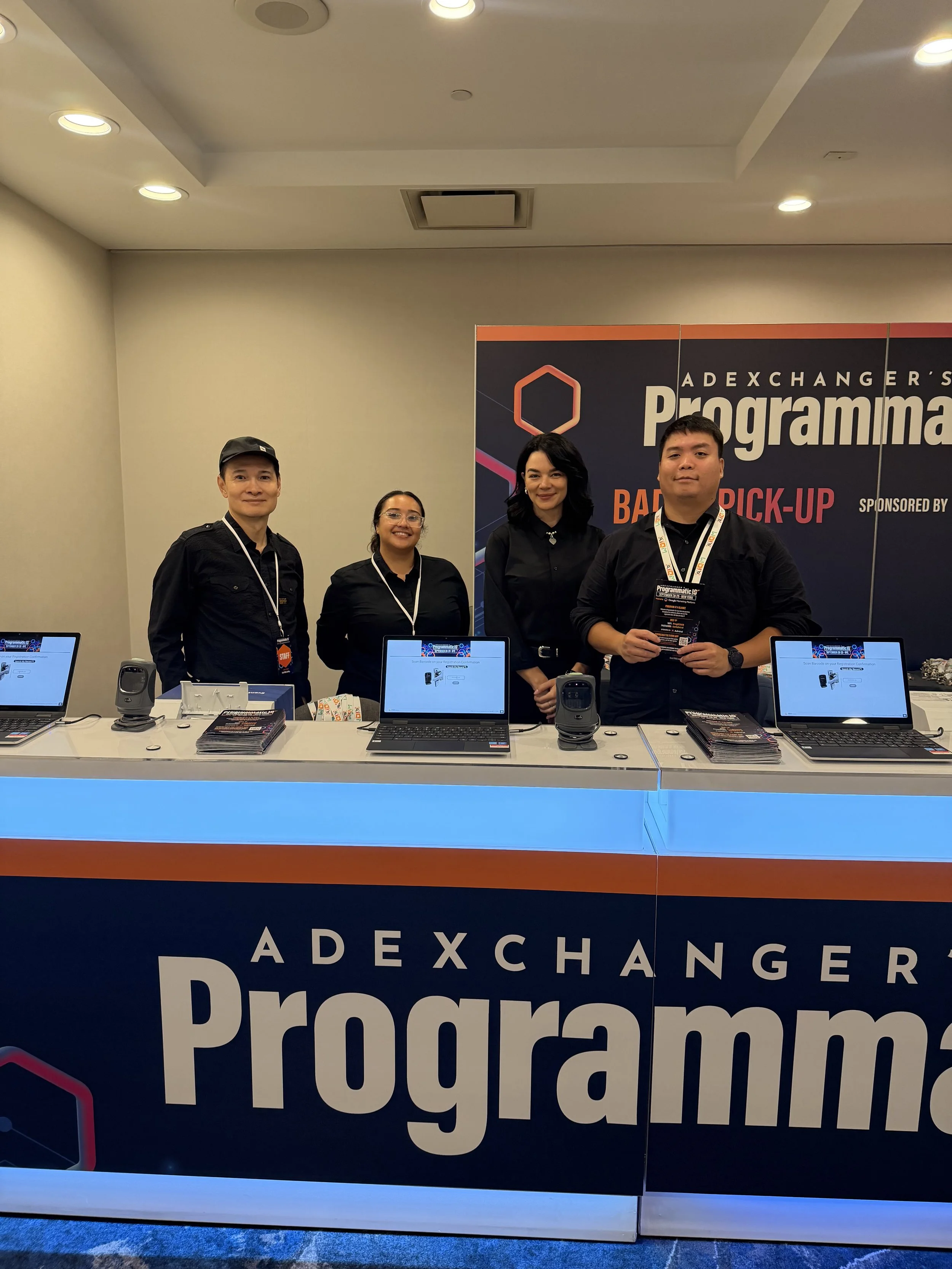
Event staffing for Programmatic event
Event staffing cost is more than the hourly rate printed on a staffing request. A useful agency quote covers the people on site, the work required to recruit and manage them, and the employment, insurance and logistics behind every shift.
This guide is for brand-side marketing and field-marketing teams, festival and fan-fest producers, trade show exhibitors, conference organizers and tour operators planning 2027 budgets. It explains what drives an event staffing cost quote—without pretending there is one universal number. Every program is different, but the cost drivers are consistent.
What You Are Paying for in an Agency Rate
When you work with an event staffing agency, you are buying more than a person for a shift. You are buying a staffing operation that can source, screen, schedule, brief, replace and pay the right people for your program.
A typical agency quote reflects several layers: staff time, recruiting and selection, scheduling and communication, onboarding and briefing, employment administration, and program management. Staff time covers the hours a brand ambassador, registration team member, sampler, manager, driver or other event professional works. Recruiting and selection involve finding people with the right experience, availability, location and presentation for the role.
Scheduling and communication include confirming shifts, sending call times, managing changes and coordinating last-minute replacements. Onboarding and briefing make sure staff understand the brand, venue, product, talking points and event rules. Employment administration includes payroll, tax withholding, timekeeping, workers’ compensation and related employer responsibilities. Program management is the account and operations work that keeps a multi-market program moving.
Our all-W-2 model is central to that structure. Every brand ambassador is an Encore employee—not a client contractor—which keeps employment responsibilities on our books rather than yours.
That does not mean an agency quote is “just overhead.” It is the difference between asking your internal team to find, hire, insure, schedule, pay and replace temporary staff—and working with a partner that already runs that system.
Rates by Role: What Moves Them
Role requirements are one of the biggest drivers of event staffing cost. Two people may work the same eight-hour shift, but the skills, preparation and accountability required can be very different.
Brand ambassadors may need product knowledge, customer-facing experience, sampling knowledge, uniform requirements and the ability to work a long shift. Registration and check-in staff may need to manage high attendee volume, badge scanning, ID checks, technology and early call times. Product specialists often require deeper training, product demonstrations, lead capture and the ability to explain technical information clearly.
Event managers and field managers carry more responsibility. They supervise staff, communicate with clients, solve problems on site and may be accountable for a multi-day program. Tour staff and drivers can require travel days, driving qualifications, vehicle operation, load-in and load-out work, and overnight travel. Conference and trade show staff may need booth coverage, lead generation, product demonstrations, crowd management and show-floor schedules. Logistics and load-in crews often work early, handle equipment and support set-up or teardown.
A brand ambassador handing out samples and a field manager responsible for 20 staff across a multi-day activation are not interchangeable. The manager may need to arrive earlier, stay later, handle issues in real time and carry responsibility for the whole team’s performance.
We staff roles across B-to-C and B-to-B events, including brand ambassadors, event managers, tour staff, trade show ambassadors, street teams, product specialists, emcees, registration staff, samplers and costume characters.
Management, Travel and Training Time
The on-site hours are only part of the work. A quote can also include the time required to make the event run smoothly before anyone scans a badge or opens a sampling table.
Management Layer
For larger programs, an event manager or field manager may be essential. They brief staff, monitor attendance, solve on-site problems, coordinate with venue contacts and keep the program aligned with your goals.
That layer matters most when you have multiple staff, multiple shifts, a complex venue or a brand-sensitive activation. It is often the difference between a group of people in branded shirts and a team that can execute the program.
Travel and Logistics
Travel can materially change a staffing budget. A local one-day activation has a different cost profile from a national tour that requires drivers, vehicles, lodging, per diems, routing and staff travel.
Our event logistics work includes securing vehicles and CDL A/B drivers, load-in and load-out teams, warehousing, tour routing, vehicle leasing, shipping, fulfillment and equipment set-up. We have built routes for more than 2,000 tours.
For example, our Subaru Winterfest Lifestyle Tour work included a tour manager, CDL drivers, traveling and local brand ambassadors, labor, fleet leasing, an auto hauler, a cargo trailer, insurance, maintenance and travel management for up to 10 traveling staff. That is a much broader scope than booking a local ambassador for a weekend shift.
Training Time
Training is another cost driver that buyers often overlook. Staff may need to learn product details, sampling procedures, lead-capture tools, safety requirements, venue rules or brand voice before the event begins.
The more specialized the program, the more preparation it needs. Our conference and trade show teams can be trained to handle technical or industry-specific language, product demonstrations and lead-generation workflows.
Payroll Taxes, Insurance and Workers’ Comp
Payroll, insurance and workers’ compensation are not optional add-ons for a legitimate event staffing program. They are part of employing people properly—and they belong in the quote.
With our W-2 model, we employ the staff. That means we handle employer payroll responsibilities rather than placing worker classification, payroll and related risk on you.
A staffing quote may therefore account for payroll processing and tax withholding, workers’ compensation coverage, general liability and other required insurance, employment administration across the markets where staff work, compliance support and documentation, and timekeeping and payment administration.
This is one reason an agency rate can look higher than a bare hourly rate from a marketplace or a direct hire. The agency rate includes the infrastructure behind the worker: recruiting, screening, scheduling, payroll, insurance, compliance support and replacement planning.
For brands running their own temporary teams, we also offer outsourced event payroll. That service can move payroll processing, workers’ compensation, insurance, tax documentation and compliance administration off your internal to-do list.
Five Things That Raise or Lower a Quote
When you request an estimate, five factors will usually move the number most.
Headcount and shift hours matter first. More staff and longer shifts mean more labor, supervision and scheduling work. Market and venue also matter: a single local activation is simpler than a multi-city program, while venue access, parking, union requirements, security and local labor conditions can all affect the work required.
Role complexity is another major factor. A general event ambassador, a bilingual product specialist, a CDL driver and a field manager require different levels of experience and preparation. Travel, lodging and per diems can add cost for touring staff, drivers and multi-day programs that require travel time, hotels, meals, mileage and vehicle support.
Finally, training, uniforms and management affect the quote. Product training, branded uniforms, early call times, on-site supervision and backup coverage all add operational work.
The biggest cost surprises usually come from scope changes: adding markets, extending shifts, requiring specialized staff, needing last-minute replacements or asking a team to handle logistics that were not originally in the plan.
How to Budget Staffing for 2027
For 2027 planning, build the staffing budget around the program—not around a single hourly number.
Start with the number of events, markets and event days in the plan. Then determine how many staff you need per shift, which roles are required, and how many hours each day will involve, including set-up, briefing, activation and teardown.
Consider whether staff need training, uniforms, product samples or lead-capture tools. Decide whether the program is local, regional or national, and whether staff will travel, drive vehicles or require lodging and per diems. Identify who manages the team on site and what happens if someone cancels, calls out or does not show.
A strong budget includes a contingency for schedule changes and replacement coverage. It is smarter to plan for the operational reality of live events than to treat staffing as a fixed line item that never changes.
Timing matters too. Our guide to hiring event staff recommends beginning staffing conversations eight to 12 weeks ahead for festivals, national campaigns, tours and large public events; conferences and trade shows generally benefit from four to six weeks of planning.
For a straightforward example, a national sampling tour needs more than local ambassadors. Our Twisted Tea work for Boston Beer Co. included tour managers and brand ambassadors, experienced tour staff after driving checks, local staff recruitment and training, alcohol-sampling compliance, tour vehicles, registration, insurance, permits and premium production. Across nine years, we executed more than 1,500 events, distributed 435,000 samples and logged more than 175,000 miles.
FAQ
How much does event staffing cost?
Event staffing cost depends on the role, number of staff, hours, market, travel needs, training, management and employment requirements. There is no single published rate because a local ambassador shift and a multi-city tour with drivers, managers and logistics support are different scopes of work.
What is included in an event staffing agency quote?
An agency quote can include staff time, recruiting, screening, scheduling, briefing, payroll, timekeeping, insurance, workers’ compensation, compliance support and replacement planning. It reflects the full staffing operation, not only the hours worked on site.
Why do event staff hourly rates vary?
Event staff hourly rates vary because roles require different experience, training, responsibility and preparation. A field manager, CDL driver, product specialist or multilingual brand ambassador involves more operational work than a general event-support role.
Does an agency handle payroll and insurance?
With Encore Nationwide, staff are W-2 employees of Encore, so we handle the employment side rather than placing it on you. We also offer outsourced payroll for companies that employ their own event staff but want payroll, workers’ compensation, insurance and compliance administration handled separately.
Request a 2027 Estimate
Planning a 2027 activation, tour, festival, conference or trade show program? Request a 2027 estimate and tell us the markets, dates, roles and headcount you are considering. We will help you scope the staffing and logistics required to execute it.
