
Why Brands Invest in Roadshows
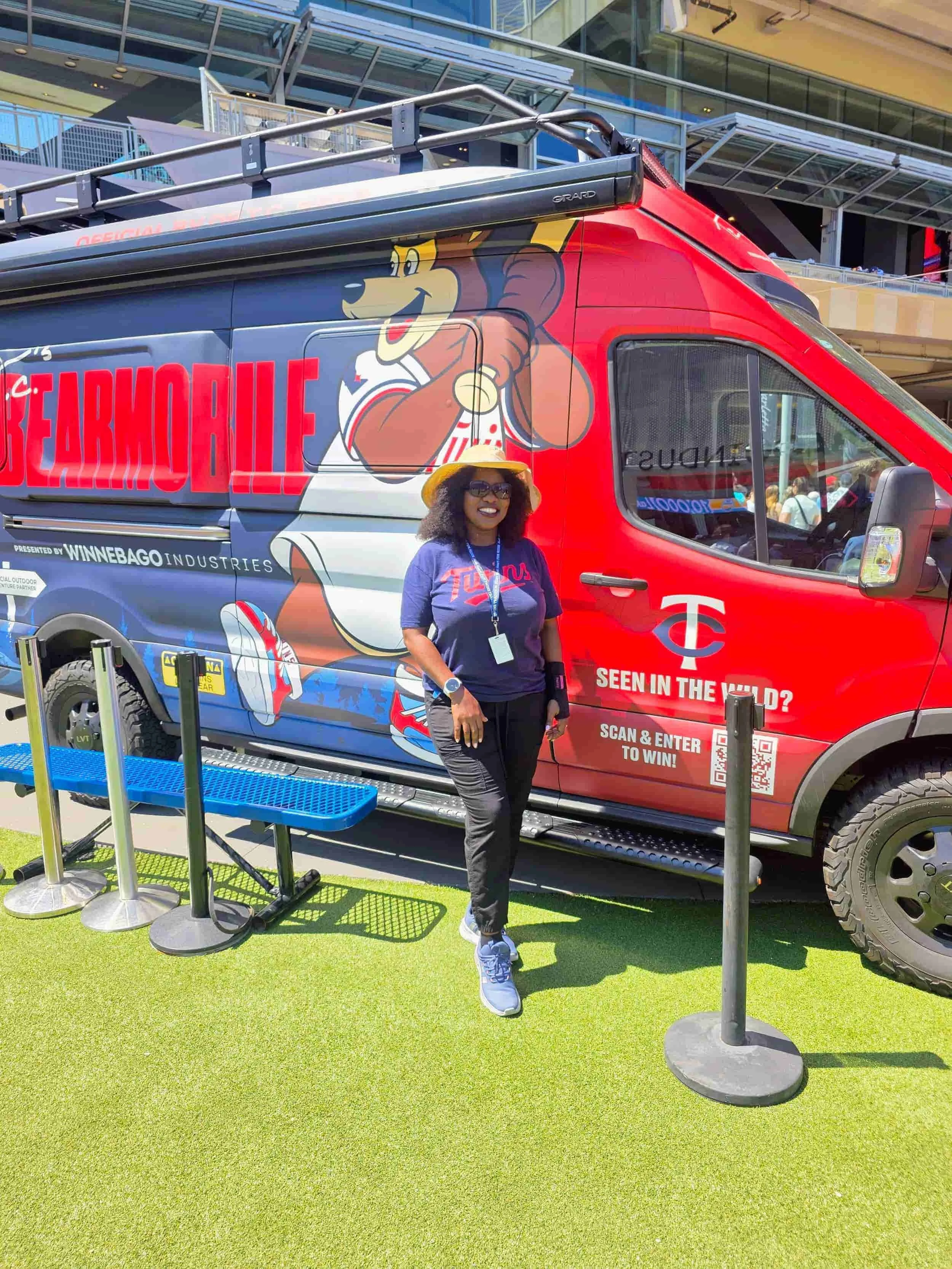
Brands constantly search for new ways to connect with consumers. While digital marketing plays an important role, many companies continue to invest heavily in face-to-face experiences. One of the most effective ways to reach people directly is through roadshows.
Roadshows allow brands to take their products, services, and messaging directly to their audience rather than waiting for consumers to visit a store, event, or showroom. From product launches and sampling campaigns to interactive brand experiences, roadshows create opportunities for meaningful engagement across multiple locations.
What Is a Roadshow?
A roadshow is a marketing campaign that travels to different locations over a set period. Instead of hosting a single event in one place, brands move their activation from city to city, venue to venue, or community to community.
Roadshows often appear at:
Shopping centers
Festivals
Sporting events
College campuses
Business districts
Community gatherings
Trade shows
The format varies depending on the campaign goals. Some roadshows focus on product demonstrations, while others emphasize sampling, education, entertainment, lead generation, or direct sales. The common goal is simple. Bring the brand directly to the people.
Why Roadshows Continue to Deliver Results
Roadshows offer something many other marketing channels cannot provide. They create personal interactions at scale. Consumers have become increasingly selective about the content they engage with online. In-person experiences allow brands to capture attention in a different way. People can see, touch, test, and experience products firsthand. When consumers interact directly with a brand, they often develop stronger recall and greater trust. These interactions create opportunities for questions, conversations, and real-time feedback. This direct engagement often leads to higher participation rates than traditional advertising alone.
Expanding Reach Across Multiple Markets
One of the biggest advantages of a roadshow is geographic reach.
Instead of concentrating an entire budget on one event, brands can activate in multiple locations. This allows them to engage audiences across different cities, regions, or demographic groups. A roadshow can help brands:
Increase market awareness
Enter new territories
Test regional demand
Generate local media attention
Build stronger community connections
For national brands, roadshows provide a practical way to maintain consistency while reaching diverse audiences.
Creating Memorable Brand Experiences
Consumers are exposed to thousands of marketing messages every day. Standing out requires more than visibility. It requires participation.
Roadshows often include interactive elements such as:
Product demonstrations
Games and contests
Sampling stations
Photo opportunities
Virtual experiences
Educational presentations
These activities encourage people to spend more time with the brand and create stronger emotional connections. The more engaged attendees become, the more likely they are to remember the experience after the event ends.
Gathering Valuable Consumer Insights
Roadshows do more than generate awareness. They also provide valuable information. Brands gain direct access to consumer opinions, questions, preferences, and concerns. This feedback helps marketing teams understand how products are being received in different markets.
Roadshow staff can collect:
Survey responses
Product feedback
Consumer preferences
Lead information
Purchase intent data
These insights often help brands improve future campaigns and refine marketing strategies.
The Role of Event Staff in Roadshow Success
Even the most creative roadshow concept depends on the people executing it. Event staff serve as the face of the brand throughout the campaign. They greet attendees, answer questions, demonstrate products, manage logistics, and maintain positive interactions throughout the experience. Strong event staff help create consistency across every location. Whether a roadshow visits five cities or fifty, attendees should receive the same level of professionalism and engagement.
Experienced event staff contribute by:
Representing brand values
Driving audience participation
Delivering product education
Collecting consumer data
Managing crowd flow
Supporting event operations
Their ability to build genuine connections often determines whether attendees walk away with a positive impression of the brand.
Supporting Product Launches and New Initiatives
Roadshows are frequently used when brands introduce new products or services. Rather than relying solely on advertising, companies create opportunities for consumers to experience new offerings firsthand. Product trials, demonstrations, and live interactions help reduce uncertainty and encourage adoption. This approach is especially valuable for products that benefit from explanation, demonstration, or hands-on testing.
Building Stronger Brand Awareness
Repeated exposure plays an important role in brand recognition. A roadshow allows consumers in multiple locations to encounter the same campaign, messaging, and visual identity. Each stop reinforces awareness and helps build familiarity with the brand. Over time, these interactions contribute to stronger recognition, increased trust, and greater consideration when consumers make purchasing decisions.
Why Brands Continue Investing in Roadshows
Roadshows remain a popular marketing strategy because they combine reach, engagement, and flexibility. They allow brands to meet consumers where they are, create memorable experiences, gather valuable feedback, and build relationships that extend beyond a single interaction. While digital marketing continues to evolve, face-to-face engagement remains one of the most effective ways to create lasting impressions. For brands looking to connect directly with their audience across multiple markets, roadshows continue to offer a practical and proven solution.
