
How Event Staff Prevent Common Event Day Problems (2026 Guide)
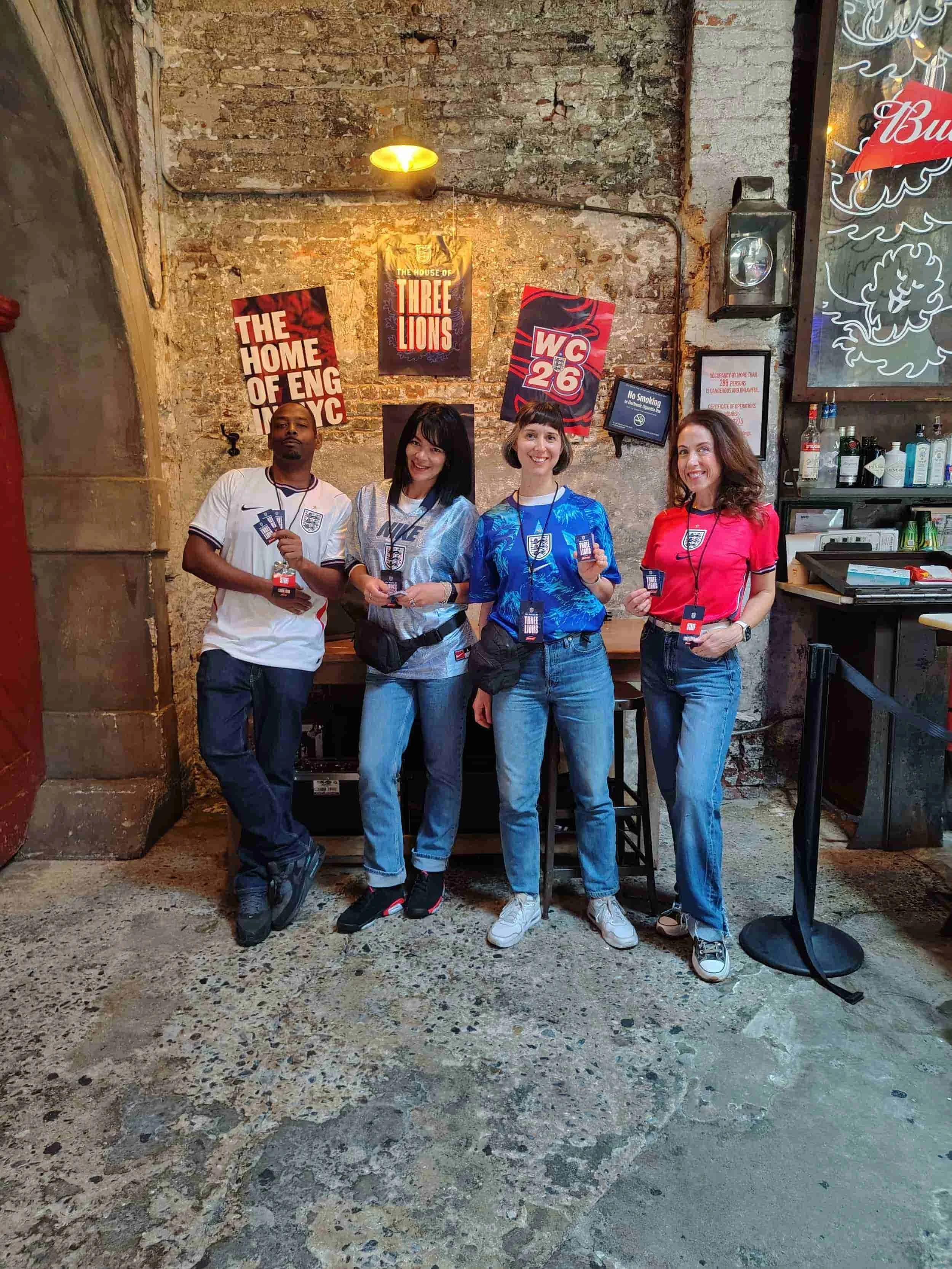
No matter how much planning goes into an event, unexpected challenges can still arise. Crowds arrive earlier than expected. Guests have questions that were not anticipated. Registration lines grow longer than planned. Equipment needs attention. Schedules shift.
The difference between a minor issue and a major disruption often comes down to one factor: the event staff.
Professional event staff do far more than greet attendees or hand out promotional materials. They play a critical role in keeping operations running smoothly and solving problems before they affect the guest experience.
Events Are Constantly Changing
An event is a live environment. Unlike digital campaigns or static advertising, conditions change throughout the day.
Attendance levels fluctuate. Traffic patterns shift. Guest needs vary from hour to hour.
Because of this, event teams must adapt in real time. Experienced staff monitor what is happening around them and respond quickly when situations change.
Their presence provides an extra layer of support that helps event organizers maintain control, even when plans need adjustment.
Managing Registration and Check-In Delays
One of the most common event day challenges involves registration and guest check-in.
Long lines create frustration and can negatively affect first impressions before attendees even enter the event space.
Event staff help reduce bottlenecks by:
Directing guests to available registration stations
Answering attendee questions
Assisting with badge distribution
Managing traffic flow
Troubleshooting registration issues
When registration moves efficiently, attendees enter the event with a more positive experience from the start.
Keeping Crowd Flow Under Control
Crowd management is essential at conferences, trade shows, festivals, product launches, and experiential activations.
Without proper guidance, attendees often gather in high-traffic areas, creating congestion that affects both safety and engagement.
Event staff help by:
Directing attendees between activity areas
Managing entrance and exit points
Monitoring high-traffic locations
Encouraging movement throughout the venue
Preventing unnecessary crowd build-up
Good crowd flow allows guests to navigate the event comfortably while helping brands maximize participation across different experiences.
Providing Immediate Answers
Attendees frequently have questions throughout an event.
They may need directions, schedule information, product details, or assistance locating a specific area.
Without trained staff available, these questions often turn into frustrations.
Event staff act as accessible points of contact who provide quick answers and support. Their ability to assist guests efficiently helps reduce confusion and keeps attendees engaged with the event rather than distracted by logistical issues.
Supporting Brand Experiences
Experiential marketing campaigns often depend on attendee participation.
Whether visitors are testing products, entering contests, taking part in demonstrations, or interacting with technology, these experiences require guidance.
Event staff help ensure activities operate as intended by:
Explaining how experiences work
Encouraging participation
Assisting attendees during activities
Answering product questions
Maintaining a positive atmosphere
Their involvement helps brands create smoother and more engaging experiences for attendees.
Identifying Problems Before They Grow
Many event day issues start small.
A line begins forming at one station. A display area becomes crowded. Guests start looking confused about where to go next.
Trained event staff notice these warning signs early.
Because they are positioned throughout the venue, they often identify operational challenges before organizers become aware of them. Early intervention helps prevent minor issues from developing into larger disruptions.
This proactive approach is one of the most valuable benefits experienced event staff bring to an event.
Helping Teams Stay Focused
Event organizers and brand representatives often have multiple responsibilities throughout the day.
They may be managing clients, overseeing production, coordinating vendors, or monitoring event performance.
When event staff handle attendee interactions and operational tasks, leadership teams gain more time to focus on higher-level responsibilities.
This division of responsibilities helps the entire event operate more efficiently.
Maintaining a Positive Guest Experience
Attendees may not remember every detail of an event, but they often remember how they were treated.
Friendly, knowledgeable staff create positive interactions that shape overall perceptions of both the event and the brand behind it.
Whether assisting with directions, answering questions, or helping resolve an issue, event staff contribute directly to attendee satisfaction.
These interactions help create experiences that guests remember long after the event ends.
Why Event Staff Are Essential to Event Success
Successful events depend on more than strong planning. They require people who can respond to changing circumstances, support attendees, and keep operations moving throughout the day.
From managing registration and crowd flow to solving problems and supporting brand engagement, event staff play a critical role in preventing common event day challenges.
While attendees often notice the stage, displays, or activities first, much of an event's success depends on the team working behind the scenes to keep everything running smoothly.
