
The Operational Side of Multi-Brand Activations
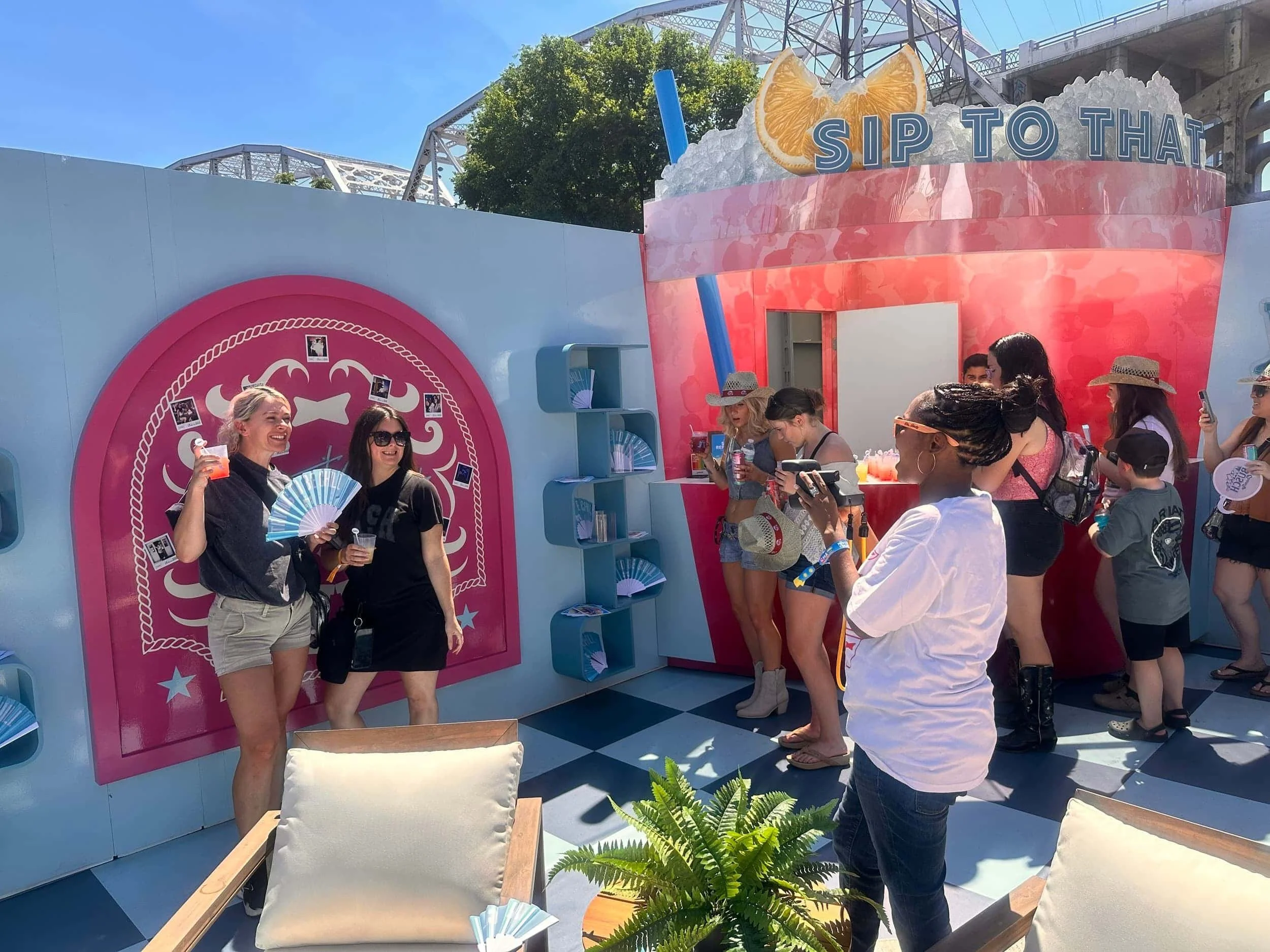
Multi-brand activations continue growing across experiential marketing because they allow companies to combine audiences, increase visibility, and create larger event experiences without carrying the full operational burden alone. Brands across fashion, beverage, technology, wellness, entertainment, and retail sectors increasingly partner at festivals, trade shows, pop-ups, and public activations to maximize reach and strengthen engagement. While the public-facing side of these collaborations often appears seamless, the operational structure behind them requires significant coordination between staffing teams, agencies, brand managers, and event organizers.
Operational planning becomes more complex the moment multiple brands occupy the same activation space. Each company enters the event with different goals, messaging priorities, audience expectations, and reporting requirements. One brand may focus heavily on product sampling while another prioritizes lead generation or social media engagement. Without clear operational alignment, these objectives quickly compete against one another and create confusion for both staff and attendees.
Why Staffing Coordination Matters in Shared Activations
Event staffing plays a central role in maintaining consistency across multi-brand experiences. Shared activations often involve multiple teams working simultaneously within a single footprint, which increases the importance of communication, scheduling, and role clarity. Brand ambassadors, product specialists, promotional staff, registration teams, and experiential managers must understand not only their own responsibilities, but also how their work connects to the larger activation environment.
This coordination directly affects attendee experience. When staffing teams operate without alignment, attendees receive inconsistent messaging, unclear direction, or repetitive interactions that weaken the activation flow. On the other hand, well-coordinated teams create smooth movement between engagement points, maintain organized traffic flow, and ensure each participating brand receives proper visibility throughout the event.
Experienced staffing agencies often manage this process by assigning team leads who oversee communication between brands during setup, activation hours, and breakdown periods. These operational roles become essential because live environments change constantly throughout the event day. Crowd volume shifts, engagement patterns evolve, and staffing adjustments frequently become necessary in real time.
The Importance of Unified Brand Communication
One of the largest operational challenges within multi-brand activations involves balancing separate brand identities while maintaining a cohesive attendee experience. Every participating company wants visibility, yet overly fragmented messaging creates a disjointed activation environment that feels confusing rather than collaborative. Staff training helps solve this issue. Teams must understand how each brand fits within the shared experience and how to transition attendees naturally between activation points. This prevents interactions from feeling transactional or disconnected. Instead of operating as isolated booths placed beside one another, successful collaborations function as integrated experiences where each brand contributes to a larger event narrative. Clear communication also protects brand reputation during live events. If attendees receive conflicting information from different staff members, confidence in the activation decreases quickly. Strong operational planning reduces this risk by standardizing key messaging, defining interaction protocols, and ensuring staff understand escalation procedures when questions or issues arise during the event.
How Crowd Management Affects Activation Performance
Multi-brand activations often attract larger audiences because they combine the reach of several companies into one shared experience. Increased visibility creates stronger engagement opportunities, but it also creates operational pressure around crowd management and attendee movement. Poorly managed traffic flow affects the entire activation. Congested entrances, overcrowded sampling stations, and unclear queue systems reduce attendee participation and create frustration within the environment. This becomes especially problematic during festivals, conventions, and public events where foot traffic fluctuates rapidly throughout the day. Event staffing teams help maintain structure by directing movement, organizing interaction zones, managing wait times, and monitoring high-traffic areas continuously during the activation. This operational support keeps attendee flow efficient while protecting the experience quality for each participating brand.
Why Setup and Breakdown Coordination Is Critical
Operational efficiency begins long before attendees arrive at the event. Multi-brand activations involve complex setup schedules that often include multiple vendors, staging crews, production teams, staffing agencies, and client representatives working within limited timelines. Delays from one group frequently affect every other team sharing the activation footprint. Detailed operational schedules help prevent these issues. Load-in timing, branding placement, equipment staging, staffing check-ins, wardrobe preparation, and technology testing all require coordination across multiple stakeholders. Without centralized oversight, setup periods become disorganized quickly and increase the likelihood of technical issues or incomplete installations before activation launch. Breakdown operations require similar attention. Shared assets, product inventory, branded materials, and staffing schedules all need coordinated exit strategies to ensure efficient load-out procedures once the event concludes.
The Role of Real-Time Problem Solving
No live activation operates exactly according to plan. Weather changes, technical issues, staffing shortages, delayed shipments, and unexpected crowd surges all affect event execution regularly. Multi-brand environments increase operational complexity because every issue potentially impacts several participating companies simultaneously. Strong experiential staffing teams help stabilize these situations through rapid communication and real-time problem solving. Team leads often adjust staffing placements, reorganize attendee flow, coordinate replacements, or modify engagement strategies during the event itself to maintain operational consistency. This flexibility becomes one of the most valuable aspects of experienced event staffing support. Successful activations depend not only on planning, but also on the ability to adapt quickly without disrupting the attendee experience.
Why Operational Execution Shapes Brand Perception
Attendees rarely separate operational quality from brand perception during live experiences. Delays, confusion, long wait times, and disorganized interactions affect how audiences perceive every participating company within the activation. Conversely, smooth coordination, organized engagement, and efficient staffing contribute positively to overall brand credibility. This is why operational planning carries strategic value within experiential marketing. Strong execution allows attendees to focus entirely on the experience itself rather than the logistics surrounding it. For brands investing heavily in collaborative campaigns, operational consistency often determines whether the activation feels premium, engaging, and memorable or chaotic and forgettable. As multi-brand experiential campaigns continue expanding across industries, operational coordination will remain one of the defining factors behind successful live activations. Behind every polished collaboration is a staffing and logistics structure designed to keep the entire experience functioning smoothly from beginning to end.
