
How Experiential Marketing Reduces Buying Hesitation
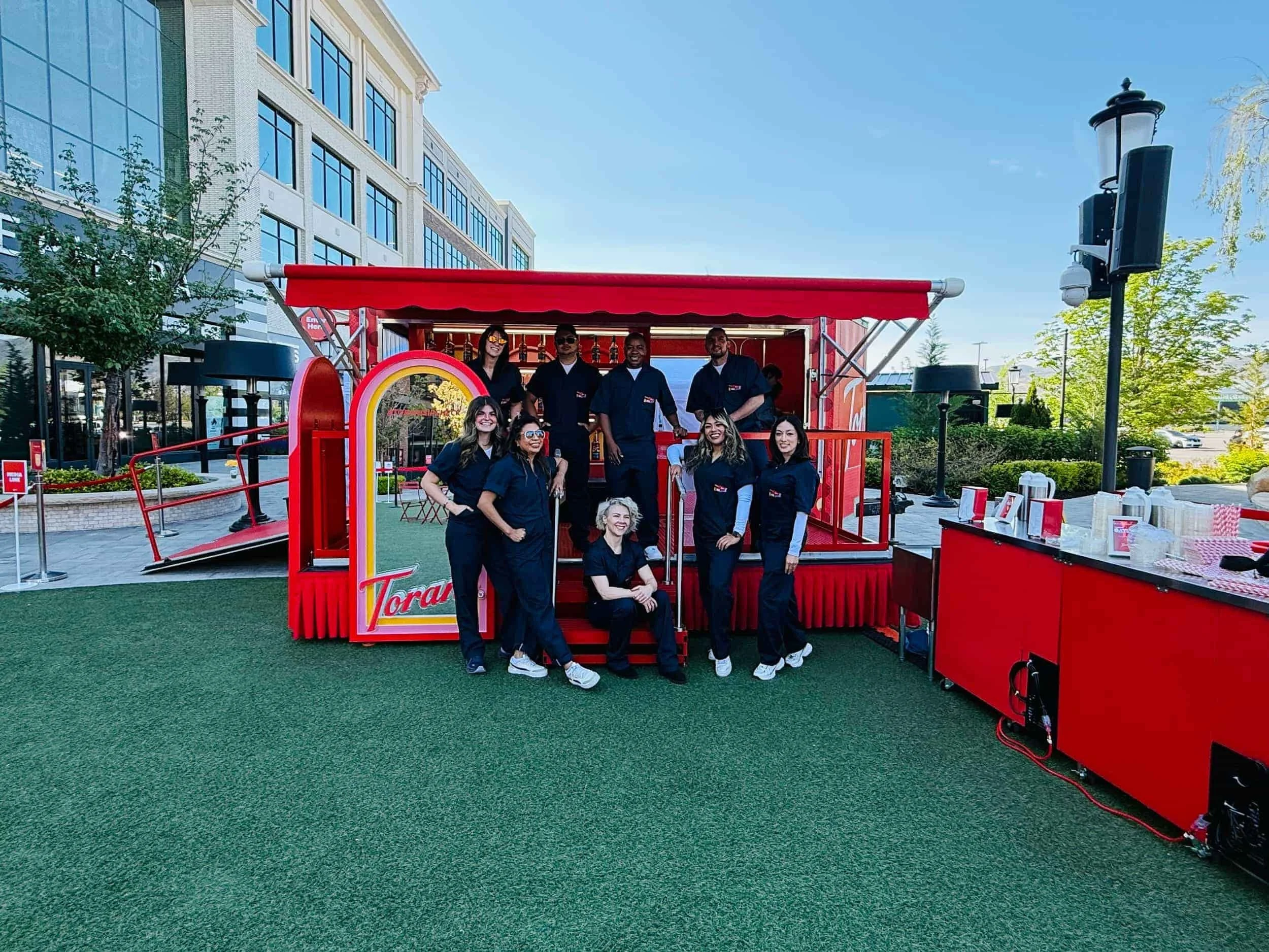
Consumers do not trust marketing the way they used to. They trust personal experience. They trust interaction. They trust what happens when they hold a product, test a feature, or use something in a real setting before spending money on it. That shift is why “try before you buy” experiential campaigns continue gaining momentum across industries. Brands are moving away from passive product awareness and building activations focused on participation. Instead of telling people why a product matters, they create opportunities for people to figure that out themselves. Many experiential campaigns now focus on workshops, guided demos, interactive stations, and creator-led education instead of traditional promotion. The goal is simple. Put the product in people’s hands and remove hesitation from the buying process.
Why Hands-On Experiences Drive Conversion
Many consumers already know about the products brands sell. Awareness is rarely the problem. Confidence is. A customer might watch videos, read reviews, or compare specs online for weeks. None of those things replace physical interaction. Once someone experiences a product in person, uncertainty drops fast. This matters even more for products tied to performance, creativity, comfort, or lifestyle. Technology, beauty, fitness, automotive, gaming, and home brands all benefit from live interaction because consumers want to understand how the product feels in real use.
Experiential marketing closes the gap between curiosity and confidence.
Strong “try before you buy” campaigns create environments where guests can test products naturally with guidance from trained staff or experts. The environment encourages experimentation instead of pressure. Guests leave with firsthand experience instead of marketing claims.
Why Consumers Respond Better to Participation
Consumers process products differently when they physically interact with them. Static advertising creates assumptions. Live product interaction creates understanding. This changes buying behavior in several ways:
• It reduces skepticism
• It answers objections in real time
• It increases emotional connection
• It creates memory association with the brand
• It gives consumers ownership before purchase
Experiential campaigns work best when they remove friction from the learning process. Instead of overwhelming guests with technical information, brands create environments where learning happens naturally through participation. The strongest activations cater to multiple experience levels. Some guests want quick interaction. Others want detailed demonstrations and deeper education. Good experiential design supports both. Consumers do not want to feel sold to at live activations. They want guidance, access, and freedom to explore.
The Role of Staffing in “Try Before You Buy” Campaigns
This type of activation depends heavily on staffing quality. A hands-on experience fails quickly when staff members lack product knowledge, communication skills, or energy. Guests ask questions in real time. They need direction. They need reassurance. They need support without feeling pressured. That means experiential staffing becomes part educator, part facilitator, and part brand representative.
The best staff for these activations know how to:
• Demonstrate products naturally
• Adapt communication to different experience levels
• Encourage participation without forcing interaction
• Keep traffic moving smoothly
• Create confidence through conversation
This approach is becoming more common across experiential marketing because consumers expect expertise during live brand interactions. A generic promotional script no longer works when the goal is product trial and education.
Experience Design Matters More Than Booth Design
Many brands still approach experiential campaigns visually first. They focus on scenic builds, LED walls, or photo opportunities while overlooking how guests interact with the product itself. “Try before you buy” strategies force brands to rethink this. The product experience becomes the centerpiece. Every touchpoint should support usability, exploration, and confidence-building. The environment needs to encourage participation instead of observation.
This includes:
• Product accessibility
• Guided demos
• Clear movement flow
• Interactive stations
• Comfortable pacing
• Staff placement
• Social sharing opportunities
The strongest experiential activations feel less like marketing and more like discovery.
That distinction changes how consumers respond emotionally to the brand.
Why This Strategy Works Especially Well for Younger Audiences
Younger audiences respond strongly to participation-based marketing because they value experience over passive advertising. They also create content naturally during events. When guests test products in immersive environments, they often document the experience themselves through social content, reviews, and peer recommendations. That turns attendees into distribution channels. Instead of paying for additional reach, the experience itself generates visibility through user-generated content. This creates three layers of value:
• Product trial
• Social amplification
• Community building
The campaign becomes larger than the physical event footprint. Brands that understand this are designing activations with post-event sharing in mind from the beginning.
What Brands Should Learn From This Strategy
“Try before you buy” experiential marketing works because people trust their own experiences more than brand messaging.
The strategy removes distance between consumer and product. It creates familiarity before purchase. It shifts the role of marketing from persuasion to participation.
Brands across industries can apply this model by asking a simple question:
“How quickly can someone experience the value of this product in person?”
The answer shapes the activation.
Some brands need demos. Others need workshops. Others need immersive testing environments or guided tutorials. The format matters less than the interaction itself. Consumers remember what they experience firsthand. That is why experiential marketing continues moving toward participation-led campaigns instead of passive brand displays. Brands that create confidence through interaction will continue outperforming brands that rely only on awareness.
