
Experiential Staffing as Experience Design, Not Support
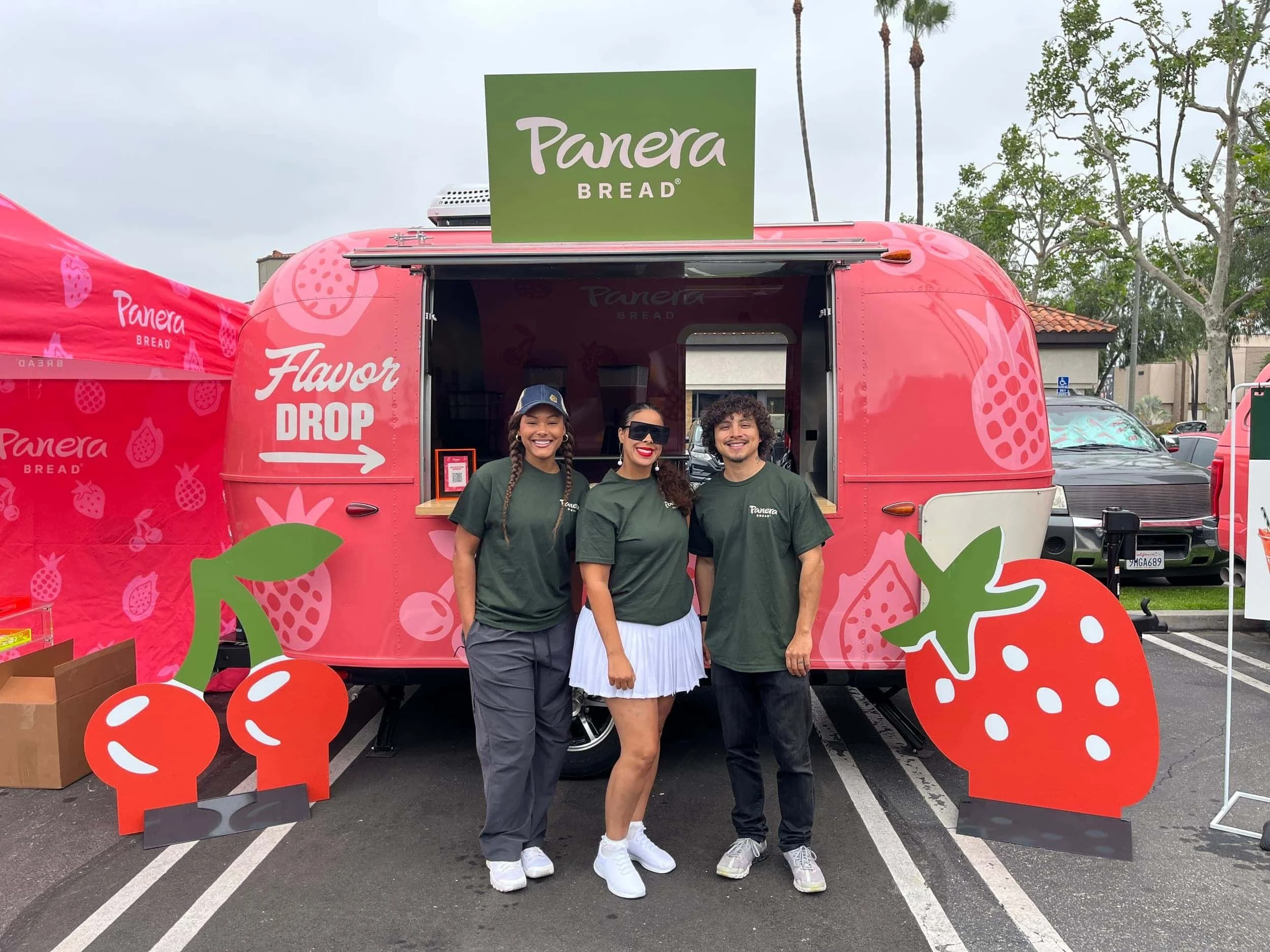
Experiential activations succeed through people first, not visuals alone. Guests enter a space and read energy before they read messaging, which means every greeting, pause, and gesture shapes how the experience lands in real time. Staffing sits inside the creative structure of an activation, not outside it, because placement, tone, and behaviour work together to shape emotion across the entire guest journey. When these elements align with creative intent, the experience feels seamless, intentional, and controlled from arrival through exit.
Staffing as Part of Experience Design
Event staffing functions as a design layer rather than an operational afterthought. Creative work often focuses on set design, lighting, and content, yet guests interact with people more than any physical element in the space, which means staff carry the experience forward moment by moment. Every interaction becomes part of the brand narrative, shaping how guests interpret what they see and feel.
When staffing aligns with creative direction, movement feels clear and effortless, but when it sits outside that alignment, even strong visual design loses impact because the experience breaks at the point where human interaction begins. This is where staffing shifts from execution into design, with each staff member becoming part of the environment itself, shaping emotional rhythm across the space. In well-aligned activations, guests move without hesitation, ask fewer questions, and follow the experience naturally because structure is embedded in human presence rather than instruction.
Staff Placement Shapes Guest Movement
Placement shapes how guests experience flow through a space because every position carries intention that builds the emotional and physical journey from arrival to exit, and when that intention is consistent, guests move without hesitation, reading the environment through the people positioned within it rather than relying on signage or instruction.
Entry points establish the first impression and set the emotional baseline for everything that follows, so when staff occupy these areas with clarity and calm control, guests settle into the experience without uncertainty, and a simple greeting delivered with the right energy builds comfort while also creating anticipation for what lies ahead, which means emotional tone forms before guests fully engage with the activation.
As guests move deeper into the space, mid-zone placement becomes the point where rhythm is either maintained or disrupted, because staff positioned around key touchpoints influence attention, dwell time, and flow between moments, and when engagement matches guest movement rather than interrupts it, interaction feels natural and attention extends without pressure, but when placement lacks clarity, guests begin searching for direction and the experience loses fluidity.
That sense of flow continues into the final stage, where exit placement determines how the experience closes, and when this moment is delivered with intention, the journey resolves cleanly and leaves a defined emotional imprint, but when it is rushed or absent, the activation feels unfinished regardless of how strong earlier moments were, which places equal importance on exit design and entry design within the full experience arc.
Staff Tone Sets Emotional Direction
Tone shapes how guests interpret the entire experience because response begins with energy before language, which makes voice, pacing, and delivery central to perception across every interaction. When tone is handled with intention, it guides emotional response without relying on scripted exchanges or heavy instruction.
High-energy environments depend on sharp, confident delivery that matches pace and movement so guests feel momentum at every touchpoint, while luxury or immersive environments rely on calm, measured communication that creates space for attention and detail, and when tone shifts correctly between these environments, each moment reinforces identity without breaking continuity.
Inconsistency creates friction because guests reset emotionally with every interaction change, which weakens immersion and disrupts flow, but when tone remains aligned across teams, the experience holds together as a continuous emotional thread that feels stable, deliberate, and intentional from start to finish. This alignment does not come from scripts alone, since effective training focuses on emotional intent, helping staff understand what each interaction should feel like so delivery becomes present, natural, and consistent with brand identity.
Micro Moments Shape Memory
Small interactions shape how guests remember an experience because attention is often drawn to large visual elements, yet meaning forms through quieter moments where staff presence turns design into lived experience. Arrival greetings set emotional tone immediately, creating ease or hesitation, while transition guidance removes uncertainty and supports smooth movement through the space, and product explanations add clarity that strengthens confidence in engagement.
Waiting moments also shape perception because they define patience and comfort within the experience, and exit exchanges complete the journey by closing emotional loops that determine what guests carry with them after leaving. Each micro moment builds continuity across the activation, and when they align, the experience feels smooth and connected from one stage to the next, but when they break, even strong design feels fragmented and disconnected.
Timing determines whether these moments land effectively, since interaction delivered too early feels intrusive, interaction delivered too late feels disconnected, and precise timing allows engagement to feel natural, responsive, and aligned with guest movement.
Closing Perspective
Experiential staffing defines how creative intent becomes real experience. Visual design attracts attention, but people determine emotional memory because guests remember how they were guided, acknowledged, and engaged across each moment of the journey. Placement controls movement, tone directs emotion, behavior builds trust, and micro-moments shape memory. When these elements align, staffing stops functioning as support and becomes the structure that carries the entire experience from concept to lasting impression.
