
Back-to-School Campus Activations
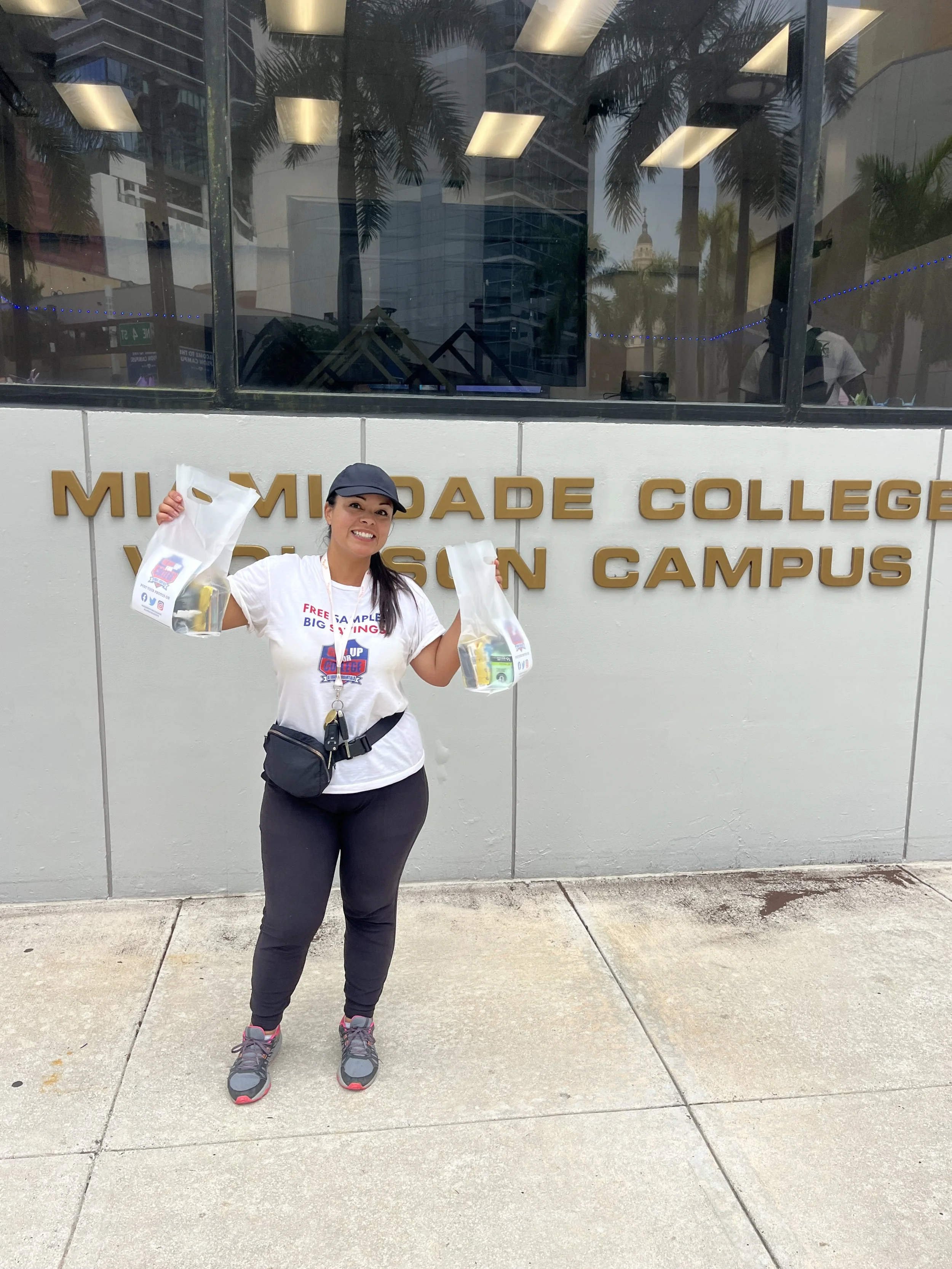
Every year, the start of the academic semester marks more than the return of students to college campuses. It also marks one of the biggest opportunities for brands to connect with a young, engaged audience. Campuses become filled with activity as students attend orientation events, join clubs, settle into residence halls, and explore everything their university has to offer. During this time, brands have a unique chance to introduce themselves through memorable experiences rather than traditional advertising.
Back-to-school campus activations have become an important part of experiential marketing because they allow brands to meet students where they already are. Whether it is a pop-up experience outside the student union, a product sampling campaign at a welcome event, or a street team promoting a new service, these activations encourage genuine conversations and meaningful interactions.
However, simply showing up on campus is not enough. Brands that achieve the best results understand how to create experiences that students enjoy while ensuring every detail is carefully planned and professionally executed. Here is how brands can make the most of back-to-school campus activations.
Why Back-to-School Is a Prime Opportunity for Brands
The beginning of the semester brings together thousands of students in one place. New students are learning their way around campus, while returning students are settling back into familiar routines. This creates an environment where people are open to discovering new products, services, and experiences.
Unlike other times of the year, students are actively making purchasing decisions. They are choosing where to buy groceries, which coffee shop to visit, which mobile network to use, and even which banking services or streaming platforms best suit their lifestyle. Because of this, brands that engage students early often have a better chance of remaining top of mind throughout the academic year.
Experiential marketing plays an important role here because it creates opportunities for face-to-face engagement. Instead of relying on online advertisements that are quickly forgotten, brands give students something they can experience firsthand. This personal interaction often creates a stronger connection than digital marketing alone.
Choose the Right Type of Campus Activation
Every brand has different objectives, which means there is no single approach that works for every campaign. Choosing the right activation depends on the audience, the product, and the overall campaign goals.
Pop-up experiences remain one of the most effective options. These temporary activations attract attention through interactive displays, product demonstrations, games, and giveaways. Positioned in high-traffic areas such as student centres or outdoor gathering spaces, they encourage students to stop and engage with the brand.
Another effective strategy involves becoming part of existing campus events. Orientation programmes, welcome weeks, sporting events, career fairs, and club expos already attract large crowds. Rather than organising a completely separate event, brands can integrate into activities students are already planning to attend. This approach increases visibility while reducing the challenge of attracting attendees.
Grassroots marketing is another valuable option. Instead of focusing only on university grounds, brands can engage students in nearby coffee shops, restaurants, apartment complexes, gyms, bookstores, and other popular gathering spots. These smaller interactions often feel more personal and help extend the campaign beyond the campus itself.
Street teams also continue to deliver strong results. Whether promoting an upcoming activation, distributing samples, or encouraging students to visit a nearby pop-up, street teams help brands reach students across different parts of campus while creating hundreds of individual conversations throughout the day.
Create an Experience Students Want to Join
Students encounter marketing messages every day. As a result, brands need to offer more than a branded table and a few promotional flyers. The most successful campus activations create experiences that encourage participation.
Interactive games, competitions, product demonstrations, photo opportunities, charging stations, and personalised giveaways all give students a reason to stop and engage. These experiences create curiosity and encourage students to spend more time with the brand.
Product sampling also remains one of the most effective engagement strategies. Allowing students to try a snack, beverage, skincare product, or technology before purchasing reduces uncertainty and increases confidence in the product. At the same time, brands receive immediate feedback from the people they hope to reach.
When students enjoy an activation, they are also more likely to share it with friends or post about it on social media. This extends the reach of the campaign beyond those who attended in person and helps generate additional awareness without additional advertising costs.
Think Beyond the Campus Quad
Many brands focus their efforts on the busiest areas of campus, but students spend a large portion of their day beyond lecture halls and student centres. This creates additional opportunities to expand the reach of a campaign.
Coffee shops, student housing, fitness centres, public transport stops, bookstores, and entertainment districts near campus often attract steady foot traffic throughout the day. These locations provide valuable opportunities for grassroots marketing and street team promotions that feel natural because they take place where students already spend their time.
Reaching students across multiple locations also increases the number of touchpoints throughout a campaign. A student might receive a product sample near a residence hall, notice a pop-up activation during lunch, and later encounter a street team promoting the same brand near a popular café. These repeated interactions help strengthen brand recognition and improve recall long after the campaign ends.
Rather than relying on a single activation, brands should think about how different locations work together to create a consistent experience across the entire campus community.
Don't Overlook the Role of Event Staff
Even the most creative activation depends on the people delivering it. Students are far more likely to remember a friendly conversation than an eye-catching display alone.
Professional event staff help transform a marketing concept into a positive customer experience. They welcome attendees, explain products, answer questions, manage queues, distribute samples, and encourage participation in activities. More importantly, they represent the personality and values of the brand throughout every interaction.
This is especially important during back-to-school campaigns, where brands often interact with hundreds or even thousands of students in a single day. Friendly, knowledgeable brand ambassadors help conversations feel genuine rather than scripted, making students more comfortable asking questions and engaging with the activation.
Experienced event staffing teams also help activations run smoothly behind the scenes. From maintaining product displays to keeping activities organised and ensuring every visitor receives the same high-quality experience, their work contributes directly to the success of the campaign.
Plan Early to Maximize Results
One of the biggest mistakes brands make is waiting too long to plan their back-to-school activations. Although the academic year begins around the same time every year, planning often starts only a few weeks before students arrive.
Early planning gives brands a significant advantage. It provides more time to secure campus approvals, reserve event space, coordinate logistics, prepare promotional materials, and build experienced event teams. It also allows for better collaboration between marketing agencies, event organisers, and staffing partners.
Planning ahead also creates flexibility. If changes need to be made, there is enough time to adjust without affecting the overall quality of the activation. This preparation helps ensure that every part of the campaign runs smoothly when students begin returning to campus.
Conclusion
Back-to-school campus activations offer brands one of the strongest opportunities of the year to build meaningful connections with students. By choosing the right type of activation, creating engaging experiences, expanding beyond traditional campus locations, and investing in experienced event staff, brands can turn a simple marketing campaign into a memorable experience.
Students are looking for brands that add value to their daily lives, not simply another advertisement competing for their attention. Companies that plan early and focus on genuine engagement are more likely to create lasting impressions that continue well beyond the first weeks of the semester.
Frequently Asked Questions
Why are back-to-school campus activations effective?
Back-to-school activations reach students when they are establishing new routines and making purchasing decisions. This makes the beginning of the academic year an ideal time for brands to build awareness and encourage product trials.
What types of back-to-school activations work best?
Popular options include pop-up experiences, product sampling, street teams, grassroots marketing, and activations integrated into existing campus events such as orientation programmes and club fairs.
Why is event staffing important for campus activations?
Experienced event staff create positive interactions with students, answer questions, manage activities, and ensure every activation runs smoothly. Their professionalism helps brands leave a lasting impression.
