
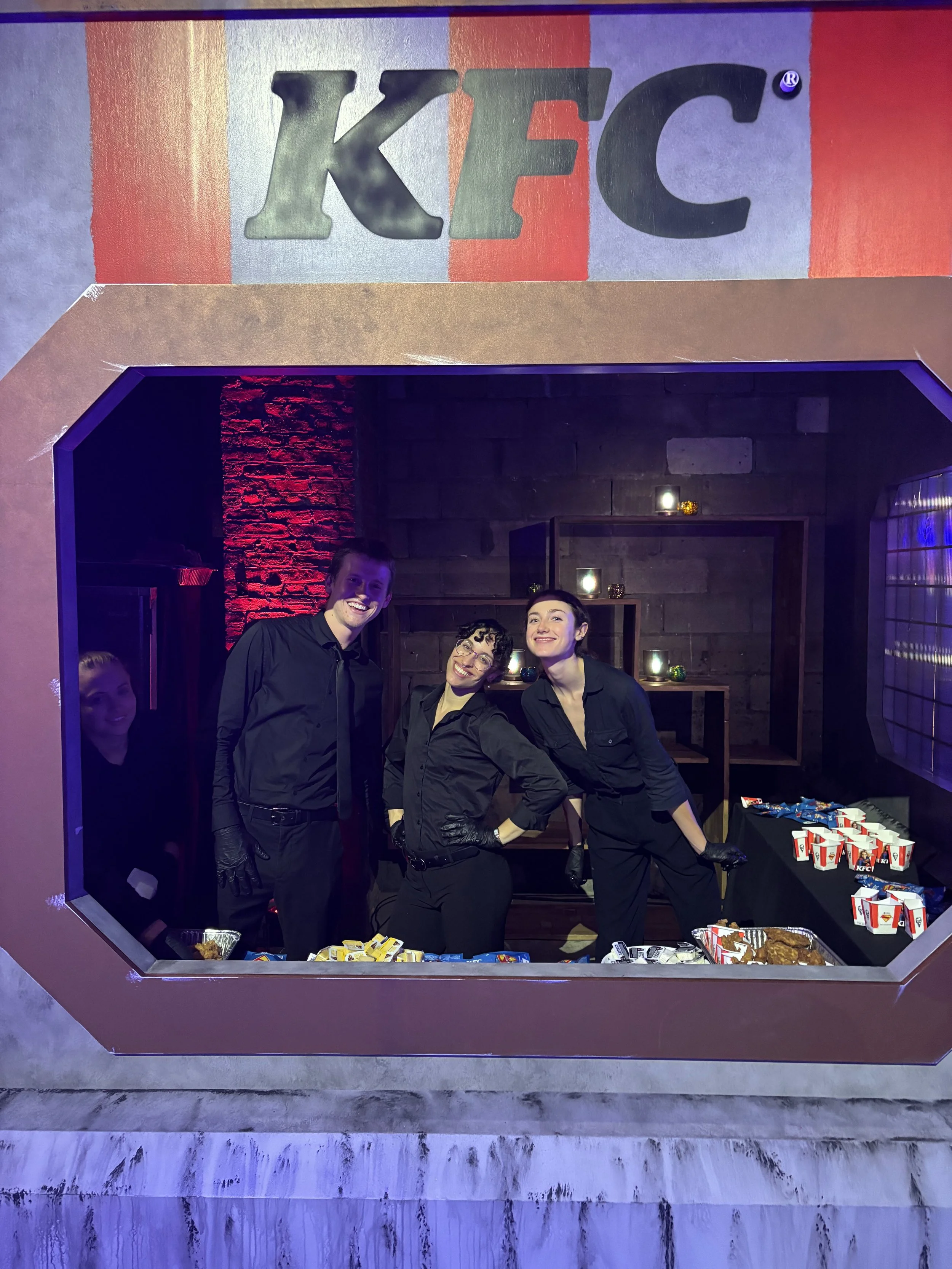
Every live event presents brands with the same challenge. How do you capture attention in an environment filled with competing booths, experiences, and distractions? While digital displays, product demonstrations, and interactive games all play a role, food and beverage sampling at live events continues to deliver some of the strongest results. Offering attendees a taste of a product creates an immediate connection because it appeals to the senses while removing the uncertainty that often prevents consumers from trying something new.
Unlike traditional advertising, sampling invites people to form their own opinions. Rather than reading marketing messages or watching promotional videos, they experience the product firsthand. This creates stronger memories, builds trust, and encourages genuine conversations. As experiential marketing continues to grow, brands are investing more in carefully planned sampling activations because they understand that memorable experiences often influence purchasing decisions long after an event has ended.
Why Sampling Appeals to Human Psychology
People naturally hesitate when faced with unfamiliar products. Before making a purchase, they often wonder whether the product will meet their expectations, whether the quality justifies the price, or whether they will enjoy the experience enough to buy it again. Food and beverage sampling removes much of this uncertainty by allowing consumers to try a product without any financial commitment. As a result, people rely on their own experience instead of marketing claims when deciding whether they like a product.
This shift in decision making is important because consumers generally place greater trust in personal experience than advertising. Once someone has tasted a product and enjoyed it, the brand no longer feels unfamiliar. Instead, it becomes something they have already experienced, making future purchasing decisions feel easier and more natural. Consequently, sampling shortens the journey between product awareness and consumer confidence.
The Power of Multi-Sensory Experiences
One reason food and beverage sampling at live events is so effective lies in the way the human brain forms memories. Rather than relying on a single sense, sampling activates several at the same time. Attendees see the presentation, smell the food or drink, taste the product, touch the packaging, and often hear a brand representative explain its features or story. Together, these sensory experiences create stronger and longer-lasting memories than visual advertising alone.
Because every sense contributes to the experience, presentation becomes just as important as the product itself. A thoughtfully designed sampling station with attractive displays, clean branding, and appealing aromas immediately shapes expectations before the first taste. Furthermore, details such as serving style, lighting, and packaging influence how consumers perceive quality. When these elements work together, they create an experience that is far more memorable than simply handing someone a sample.
Positive Emotions Create Stronger Brand Connections
Food has always been closely linked to emotion. Whether someone enjoys a refreshing drink on a warm afternoon or discovers a new favourite snack while attending a festival, the experience often creates feelings of enjoyment, comfort, or surprise. Because these emotions occur alongside a branded interaction, they gradually become associated with the brand itself.
Experiential marketing succeeds because people tend to remember how an experience made them feel. Instead of recalling an advertisement or promotional slogan, consumers remember enjoying themselves while interacting with the brand. Later, when they encounter the same product in a supermarket or retail store, those positive memories often influence their purchasing decision. Over time, repeated positive experiences contribute to stronger brand recognition and long-term customer loyalty.
The Reciprocity Effect Encourages Meaningful Conversations
One of the most established principles in consumer psychology is reciprocity. When people receive something of value, they often feel more open to giving something in return. Within experiential marketing, this does not necessarily mean making an immediate purchase. Instead, consumers are generally more willing to spend time learning about the product, asking questions, participating in demonstrations, or signing up for future communications.
As a result, food and beverage sampling creates an environment where conversations feel natural rather than forced. Instead of approaching consumers with a sales pitch, brands begin the interaction by offering something enjoyable. This immediately lowers barriers and encourages authentic engagement. Consequently, the discussion shifts away from selling and towards education, allowing brands to explain product benefits, ingredients, sustainability initiatives, or unique selling points in a relaxed setting.
Reducing Purchase Anxiety
Introducing a new product often means overcoming hesitation. Consumers naturally question whether they will enjoy the flavour, whether the product delivers on its promises, or whether it offers enough value to justify the price. Food and beverage sampling addresses these concerns before money changes hands by replacing uncertainty with direct experience.
Because consumers have already tried the product, they feel more confident about their purchasing decisions. This approach is particularly valuable when launching premium beverages, healthier alternatives, innovative recipes, or limited-edition flavours that differ from familiar products. Instead of asking customers to take a chance, brands allow them to make informed decisions based on firsthand experience. Consequently, sampling often increases purchase intent while reducing the hesitation that frequently accompanies new product launches.
Social Proof Builds Curiosity
People often look to others when deciding whether something is worth their attention. At busy events, this behaviour becomes even more noticeable. When attendees see a crowd gathered around a food or beverage activation, they naturally become curious about what is attracting so much interest. This psychological principle, known as social proof, encourages more visitors to join simply because others already have.
As participation grows, the activation becomes increasingly visible across the event floor. Brands often strengthen this effect by incorporating live cooking demonstrations, drink preparation, or interactive tasting experiences that attract attention from passing attendees. Consequently, every participant helps generate additional interest, creating a continuous cycle of engagement throughout the event.
Timing Influences Consumer Behaviour
Even the highest-quality product benefits from being offered at the right moment. Consumer psychology shows that people respond more positively when a product satisfies an immediate need. For example, a cold beverage offered during a hot afternoon feels especially refreshing, while coffee served during a morning conference aligns naturally with attendees' routines. Likewise, protein snacks presented after a fitness demonstration or sporting event feel relevant because they match the audience's current mindset.
Because of this, successful sampling campaigns carefully consider visitor journeys throughout the event. Brands analyse peak attendance periods, traffic flow, and attendee behaviour to determine where and when products will have the greatest impact. Rather than interrupting the visitor experience, effective sampling becomes a seamless part of it.
Turning Samples Into Shareable Experiences
Modern consumers enjoy sharing memorable experiences with friends and followers. A beautifully presented drink, an unexpected flavour combination, or a visually striking serving station often becomes the subject of photos and videos shared across social media. As a result, food and beverage sampling no longer influences only the people attending the event. Instead, it reaches audiences far beyond the venue through user-generated content.
Recognising this opportunity, many brands now design sampling activations with content creation in mind. Attractive displays, branded installations, personalised drinks, and interactive preparation stations encourage attendees to capture and share their experiences online. Consequently, a single sample often generates exposure that extends well beyond the event itself while adding authenticity through real customer experiences.
Experience Design Shapes Brand Perception
Although the product remains the centre of attention, the surrounding environment influences how consumers remember the experience. Every detail contributes to the overall impression. Clear signage guides visitors naturally through the activation, while open layouts reduce congestion and encourage participation. Comfortable gathering spaces invite conversation, and consistent branding reinforces recognition throughout the experience.
In addition, thoughtful lighting, attractive presentation, and organised product displays communicate professionalism and quality before attendees even take their first bite or sip. When these elements support the same brand story, consumers leave with a stronger and more memorable impression. Rather than viewing the activation as a simple giveaway, they remember it as a complete brand experience.
Measuring Success Beyond Samples Distributed
For many years, brands measured sampling campaigns by counting how many products they distributed. While this remains a useful metric, it provides only part of the picture. Today, marketers evaluate a broader range of performance indicators to understand whether the activation created meaningful engagement.
Alongside sample distribution, brands often analyse visitor dwell time, customer conversations, social media mentions, product recall, lead generation, coupon redemption, and post-event sales. These insights provide a clearer understanding of how consumers interacted with the experience and whether those interactions influenced future purchasing behaviour. Consequently, brands gain valuable data that helps improve future campaigns while demonstrating the return on investment of experiential marketing.
Final Thoughts
Food and beverage sampling at live events remains one of the most effective experiential marketing strategies because it reflects the way people naturally make purchasing decisions. Rather than asking consumers to trust advertising claims, brands give them the opportunity to experience a product for themselves. Every taste, conversation, and sensory interaction helps build familiarity, trust, and positive emotional connections.
As consumer expectations continue to evolve, successful brands will focus on creating sampling experiences that feel authentic, engaging, and memorable. When thoughtfully designed, food and beverage sampling does far more than introduce a product. It creates meaningful moments that strengthen brand awareness, encourage consumer engagement, and influence purchasing decisions long after the event has come to an end.
Frequently Asked Questions
Why is food and beverage sampling at live events so effective?
Food and beverage sampling allows consumers to experience products firsthand before making a purchase. This reduces uncertainty, builds trust, and creates memorable interactions that improve brand recall and purchase intent.
How does psychology influence food and beverage sampling?
Consumer psychology explains why people respond positively to sensory experiences, social proof, reciprocity, and emotional connections. These factors work together to increase engagement and strengthen brand perception.
Which events are best suited to food and beverage sampling?
Trade shows, festivals, sporting events, retail activations, conferences, community events, product launches, and experiential marketing campaigns all provide excellent opportunities for food and beverage sampling.
How should brands measure the success of food and beverage sampling campaigns?
Successful campaigns should be measured using metrics such as visitor engagement, dwell time, product recall, lead generation, social media engagement, coupon redemption, customer feedback, and post-event sales rather than relying solely on the number of samples distributed.
