
Why Event Staffing Agencies Need to Think Beyond Headcount
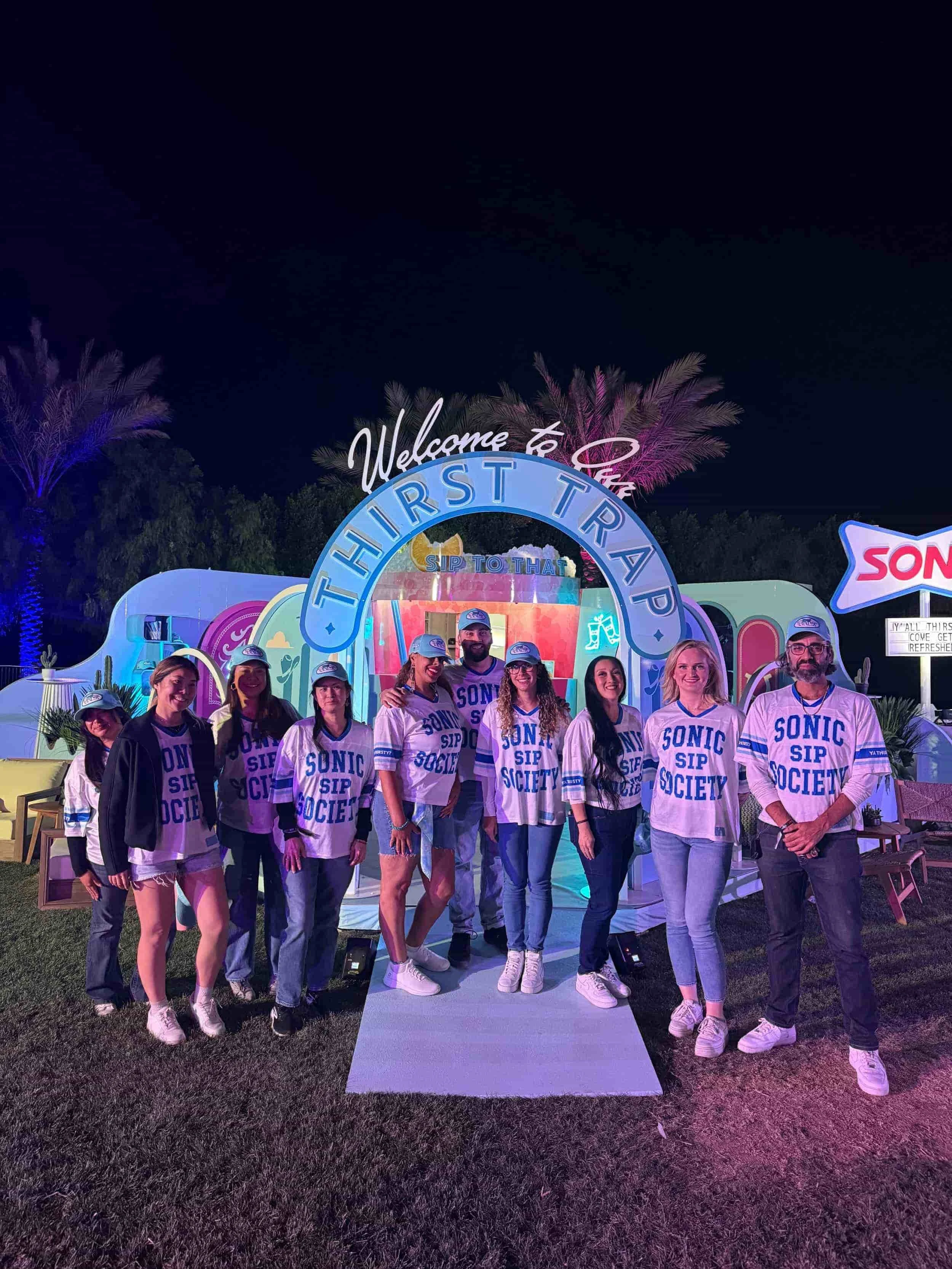
For a long time, event staffing was judged by simple questions. Did the staff arrive on time? Did they look professional? Did the activation run smoothly?
Those things still matter, of course. No brand wants disorganized staff representing them in front of consumers. But experiential marketing has changed significantly over the last few years, and because of that, client expectations have changed too.
Brands are no longer looking at staffing as a background service that exists purely to support logistics. Increasingly, they are looking at staffing teams as part of the actual marketing performance behind an activation.
That shift is important because it changes how event staffing companies need to position themselves moving forward.
The conversation is no longer only about filling roles. It is about understanding influence.
The Most Valuable Staff Members Influence Consumer Behavior
Experiential marketing is built around interaction. Consumers attend activations to test products, ask questions, participate in experiences, and form opinions about brands in real time. And in most cases, the people shaping those interactions are not executives or marketing strategists. They are the staff members standing directly in front of consumers throughout the event. That reality gives event staff far more influence than many brands realize. A strong brand ambassador can increase participation simply through energy and approachability. An experienced product specialist can turn casual curiosity into genuine purchase interest. A well-trained event team can completely change the atmosphere around an activation by making the environment feel more welcoming and engaging. At the same time, poor staffing creates the opposite effect. Even a visually impressive activation struggles when attendees feel ignored, confused, or disconnected from the experience. That is why staffing should no longer be viewed as purely operational support. Staff members actively shape how consumers experience the brand itself.
Experiential Marketing Has Become More Performance-Driven
Brands face growing pressure to justify marketing spend. Leadership teams want measurable outcomes attached to campaigns, especially within experiential marketing where production costs are often significant. Because of that, brands are paying closer attention to what drives engagement during live events. Foot traffic alone is no longer enough. Brands want to understand why attendees stayed at an activation, what sparked interaction, which moments generated social sharing, and what influenced consumers to continue engaging after the event ended. This is where event staffing becomes far more strategic than many people assume.
The quality of human interaction often determines whether attendees move beyond passive observation into meaningful participation. Staff members guide conversations, encourage engagement, answer objections, and create energy around the experience in real time. In many cases, they are the difference between consumers walking past an activation or becoming fully involved in it.
Data Alone Cannot Explain Human Engagement
One of the biggest shifts happening in experiential marketing is the growing reliance on analytics. Brands track scans, engagement time, foot traffic, social mentions, content creation, and lead generation with increasing accuracy. But numbers alone rarely tell the full story.
An activation might attract high traffic but struggle with meaningful interaction. Another might generate fewer visitors while creating deeper conversations and stronger purchase intent. Without human observation, brands often miss the context behind the metrics they collect. This is where experienced event staff become valuable beyond execution.
Staff members notice patterns that analytics platforms cannot fully explain. They hear recurring consumer questions. They observe which products generate excitement and which talking points fail to connect. They understand where attendees lose interest, where crowds naturally gather, and what parts of the experience create the strongest reactions. Those insights help brands improve future campaigns in ways raw numbers cannot always identify.
Clients Want Staff Who Understand Brand Objectives
One mistake many staffing agencies still make is treating event prep like a scheduling exercise instead of a strategic briefing. Consumers have become more selective about how they engage with brands. Generic interactions no longer work the way they once did. Attendees expect staff members to understand the product, represent the brand naturally, and communicate with confidence. That only happens when staff understand the bigger picture behind the activation.
For example, a campaign focused on lead generation requires different engagement tactics than a campaign designed around product education or social content creation. Staff members perform more effectively when they understand the actual purpose behind the event rather than simply memorizing scripts.
Consumers notice the difference immediately. The strongest staffing teams do not sound robotic or overly rehearsed. They adapt naturally to conversations while still representing the brand accurately. That balance creates stronger engagement and more authentic consumer interaction.
The Industry Is Moving Toward Smarter Staffing
Experiential marketing is becoming more sophisticated, and staffing expectations are evolving alongside it.
Brands still need reliability, professionalism, and operational support. But increasingly, they also want staffing teams who understand audience engagement, contribute useful insights, and help improve measurable campaign performance. In other words, brands are no longer asking only whether an event was staffed properly. They are asking whether the staff helped the activation perform better. That difference changes everything for staffing agencies moving forward. The companies that stand out will not be the ones focused only on filling positions quickly. They will be the ones building teams who understand consumer behavior, brand storytelling, and live engagement at a deeper level. Because in experiential marketing, people rarely remember every production detail from an event. They remember how the experience made them feel.
