
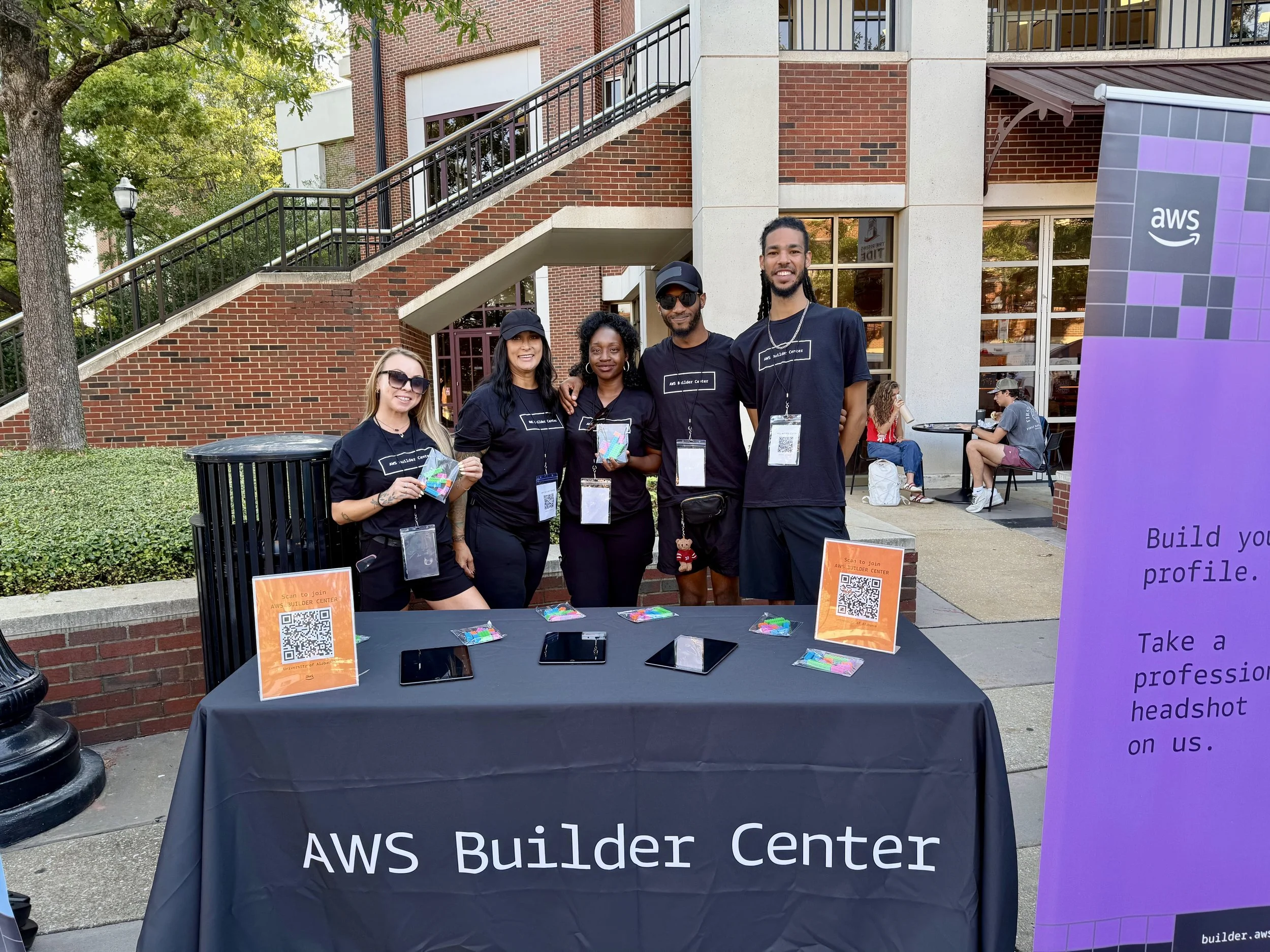
When planning an event, most brands focus on the venue, guest experience, entertainment, event staff, signage, and promotional activities. These elements are important, but one of the simplest ways to extend your event’s impact is often overlooked: branded merchandise.
Promotional products are more than free gifts. When selected and distributed strategically, they can help attract attendees, encourage conversations, reinforce your visual identity, and keep your brand visible after the event ends. From trade shows and conferences to pop-ups, product launches, and sports activations, branded merchandise can support the entire attendee journey.
The key is to move beyond generic giveaways. The most effective merchandise is useful, relevant to the audience, and connected to a meaningful brand interaction.
Merchandise Keeps Your Brand Visible
An event may last for a few hours or several days, but branded merchandise can remain in use for weeks, months, or even years. A reusable water bottle, tote bag, notebook, jacket, or phone accessory can become part of someone’s daily routine. Each time the item is used, it creates another opportunity for the recipient to remember your brand. A tote bag carried through a shopping center may also introduce your company to people who never attended the event. In this way, merchandise transforms a temporary event into a longer-lasting marketing touchpoint. Research from the Promotional Products Association International found that 54% of consumers still had the last promotional product they received, while 61% clearly remembered the brand that gave it to them. This highlights the value of giving attendees something they will genuinely want to keep.
It Creates a Physical Brand Reminder
People are exposed to countless digital messages every day. Online advertisements, social posts, and emails can be easy to scroll past or forget. Branded merchandise offers something physical that attendees can see and use after the event. This physical reminder is particularly valuable when your goal is to build awareness or introduce a new product. If attendees associate the item with a positive experience, it can strengthen their memory of the brand and make future recognition easier. For example, a beauty brand hosting a product demonstration could provide attendees with a branded travel pouch containing product samples. Every time the pouch is used, it reminds the recipient of the demonstration and the company behind it. The merchandise does not need to be expensive to be effective. It needs to be useful and connected to the audience’s interests.
Merchandise Encourages Engagement
Branded products can help attract people to your event space, but they should not be used as a substitute for an experience. Simply placing items on a table and handing them to everyone who walks past may generate short-term interest, but it does not necessarily create meaningful engagement. Instead, connect merchandise to an activity or conversation. Attendees might receive an item after taking part in a product demonstration, completing a survey, scanning a QR code, entering a competition, or speaking with a brand ambassador. This approach gives people a reason to stop and participate. It also gives your event team an opportunity to explain the product, answer questions, and understand what matters to the audience. For example, a technology brand at a trade show could offer a branded charging accessory after visitors complete a product demonstration. The item is practical, while the interaction supports the company’s lead-generation goals.
Quality Matters More Than Quantity
One of the most common merchandise mistakes is prioritizing quantity over quality. Large quantities of inexpensive items may fit the budget, but products that are poorly made, impractical, or unrelated to the event are more likely to be discarded. A useful product has a better chance of being kept. Start by considering the audience, event format, season, location, and campaign objective. A business conference audience may appreciate notebooks, premium pens, laptop accessories, or charging devices. Visitors at an outdoor activation may prefer caps, water bottles, sunscreen, or lightweight bags. A retail or beauty audience may respond well to travel cases, mirrors, cosmetic bags, or product samples. Sustainability should also be considered. According to research cited by the Australasian Promotional Products Association, 55.8% of end users say sustainability and ethical sourcing are important or extremely important when purchasing branded merchandise. Choosing durable, responsibly sourced, or reusable products can support both your brand values and audience expectations.
It Strengthens Brand Recognition
Merchandise should look and feel like part of the wider brand experience. Consistent use of colors, typography, imagery, and messaging can connect the product to your event display, staff uniforms, website, social channels, and advertising. This consistency makes your brand easier to recognize across multiple touchpoints. A branded hoodie that reflects the same creative direction as your event signage feels more intentional than an item with a logo added at the last minute. Think beyond the logo. Consider whether the product communicates your brand personality. A playful consumer brand may use bold colors and a creative design, while a professional B2B company may choose a more understated, premium finish. The merchandise should add to the attendee experience rather than look like an unrelated advertising object.
It Can Make the Event More Shareable
Distinctive merchandise can also encourage attendees to create and share content. Personalized products, limited-edition items, and visually appealing designs are particularly suited to social media. A customization station, for example, allows attendees to select a color, add their name, or create a unique version of the product. This turns merchandise distribution into part of the activation and gives people a reason to photograph the experience. The same principle can work for a pop-up shop, festival, sports watch party, or product launch. A memorable item may appear in event-day photos, short videos, and user-generated content after the event. However, social sharing should feel natural. Rather than forcing attendees to post, create an experience and product they will genuinely want to show others.
Merchandise Can Support Measurement
When merchandise is connected to a specific action, it can also help marketers measure event performance. You can distribute products after attendees register, scan a code, complete a survey, book a meeting, or interact with a demonstration.
This makes it easier to track:
Event participation.
Lead generation.
QR code scans.
Product sample distribution.
Social media mentions.
Email sign-ups.
Meeting requests.
Post-event conversions.
These metrics help you evaluate more than the number of items distributed. They show whether the merchandise encouraged actions that support your wider marketing goals.
Your event staff can play an important role here. Trained brand ambassadors can explain the activity, guide attendees through the process, and distribute products in a way that feels personal rather than transactional.
Make Merchandise Part of the Strategy
The most successful merchandise programs begin with a clear objective. Decide whether you want to build awareness, generate leads, increase social engagement, encourage product trials, or strengthen customer loyalty. Then choose a product that supports that objective and fits naturally into the attendee journey. Consider how the item will be introduced, where it will be stored, how it will be distributed, and what follow-up action you want recipients to take. Branded merchandise should not be a last-minute addition to your event budget. Used thoughtfully, it can extend brand visibility, encourage participation, and turn a brief interaction into a lasting connection. The best item is not necessarily the most expensive or impressive. It is the one that your audience finds useful, remembers positively, and continues using after the event is over.
