
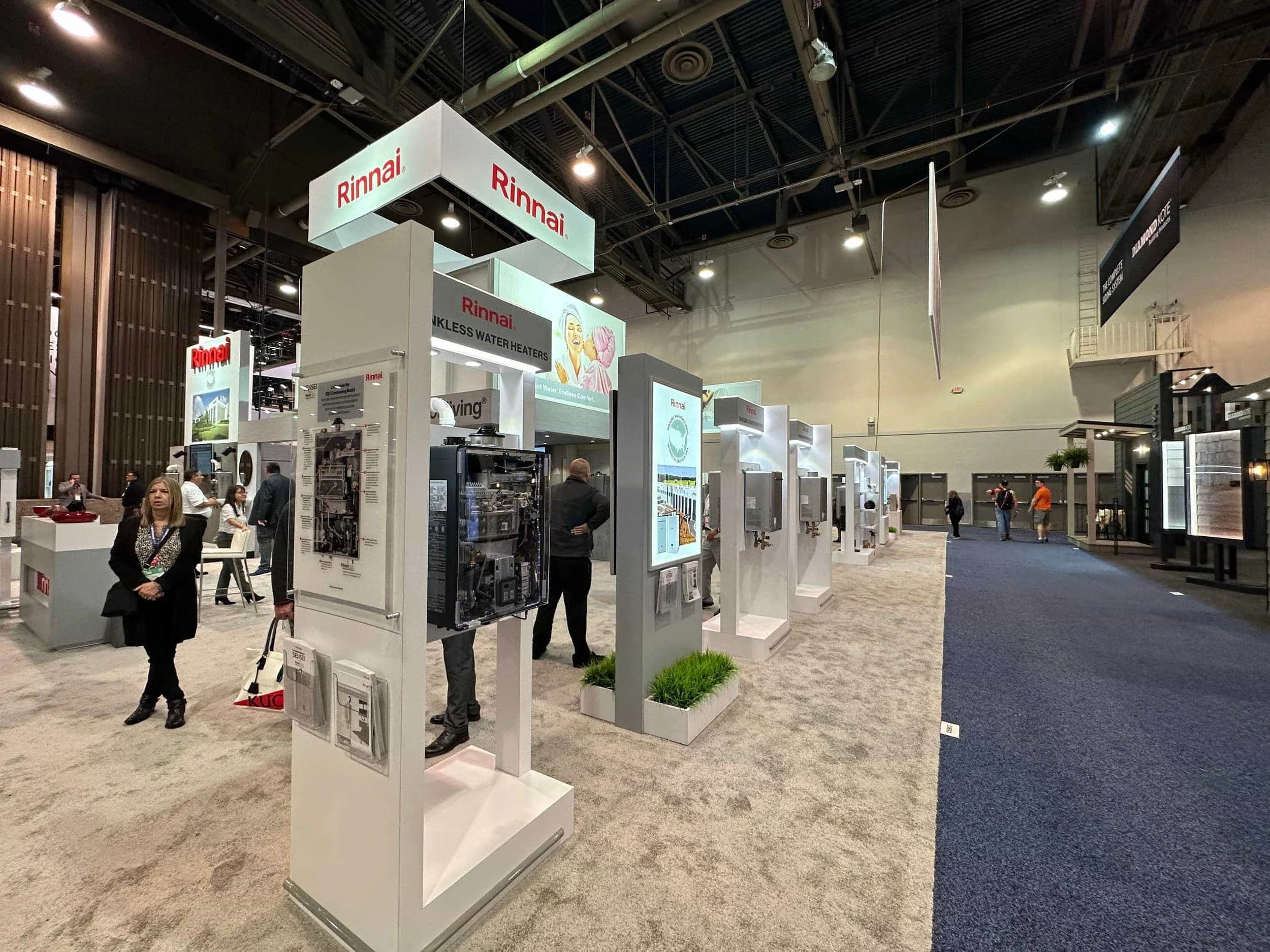
Trade shows continue to change because attendee expectations keep changing. People no longer walk the show floor looking for brochures or sales pitches. They want hands-on experiences, meaningful conversations, and memorable moments that give them a reason to stop, engage, and return. Those shifts were front and center at the Experiential Marketing Summit (EMS) 2026, where industry leaders explored the ideas shaping the next generation of live events. Across multiple sessions, one message stood out. Successful exhibitors are focusing less on building bigger booths and more on creating experiences that people genuinely remember.
For brands preparing for upcoming trade shows, conferences, and expos, these lessons extend far beyond booth design. They influence planning, logistics, staffing, measurement, and every interaction that happens on the event floor.
Technology Should Support Human Interaction
Artificial intelligence received plenty of attention throughout EMS 2026, yet the discussion was not about replacing people. Instead, presenters showed how AI is helping teams develop ideas faster, personalize experiences, and simplify event operations, while human interaction remains the defining factor behind successful activations. Brands are using AI to deliver customized content, create interactive demonstrations, and enhance live entertainment, although every technology decision still starts with the audience experience.
This shift creates new expectations for event execution. Staff members need to understand how technology fits into the experience so they guide visitors naturally, answer questions confidently, and help guests move through digital touchpoints without friction. When technology works alongside knowledgeable people, the result feels seamless instead of complicated.
Simple Experiences Often Generate the Strongest Engagement
While technology continues to evolve, many of the most talked-about exhibits at EMS embraced simplicity. Interactive games, tactile activities, collectible giveaways, and nostalgic experiences attracted consistent attention because visitors understood them immediately. They did not need lengthy instructions or multiple QR codes before participating.
This trend highlights an important lesson for exhibitors. Every second spent explaining an activity increases the chance that someone walks away. Experiences with clear entry points encourage higher participation, which leads to longer conversations and stronger brand recall.
Planning those experiences also requires careful operational thinking. Queue management, replenishing giveaway items, resetting games between participants, and maintaining an organized space all contribute to keeping engagement levels high throughout the day.
Sustainability Has Become an Operational Strategy
Sustainability has moved beyond reusable signage and recyclable materials. At EMS 2026, brands shared practical examples of reducing waste by reusing exhibit assets across multiple events, donating materials after shows, and designing modular displays that adapt to different venues. Those decisions reduced environmental impact while lowering production costs over time.
For exhibitors, sustainability works best when it becomes part of the planning process instead of an afterthought. Teams that coordinate inventory, transportation, storage, and setup well are far more likely to maximize the lifespan of their event assets. Small operational improvements repeated across an annual event calendar often produce measurable financial and environmental benefits.
Success Depends on the Story Behind the Data
Collecting event metrics is no longer enough. Another recurring discussion at EMS focused on presenting results in ways executives understand. Rather than sharing spreadsheets filled with attendance numbers, successful teams are connecting engagement data with business outcomes through visual reports, attendee feedback, sales conversations, and measurable objectives.
This changes how brands prepare before an event even begins. Goals need to be defined early, data collection methods need to align with those goals, and every member of the event team needs to understand which interactions matter most. Whether measuring product demonstrations, qualified leads, meeting bookings, or customer sentiment, clear reporting helps justify future investment in live experiences.
Purpose Should Guide Every Decision
Perhaps the strongest message from EMS 2026 was that memorable experiences begin with intention. Rather than asking what should be built first, successful brands begin by deciding what they want attendees to feel. Every design choice, interaction, demonstration, and conversation then supports that objective.
This mindset creates consistency across the entire event. Booth layouts encourage conversation. Product demonstrations reinforce the same message. Brand representatives understand the experience they are delivering. Every touchpoint works toward a common goal instead of functioning as separate activities.
For event teams, this approach simplifies decision-making because every operational choice supports a clearly defined outcome.
Strong Execution Turns Great Ideas Into Great Experiences
Creative concepts often receive the most attention before a trade show opens. Yet attendees only experience the final result. Behind every successful activation sits months of planning, coordination, logistics, and on-site execution.
Registration needs to flow smoothly. Interactive stations need regular maintenance. Product samples need replenishment. Brand messaging needs to remain consistent throughout every shift. Visitors need assistance without feeling pressured. These details rarely attract headlines, although they often determine whether an activation succeeds or struggles.
This is where experienced event professionals play an important role. Teams working on the show floor keep experiences organized, maintain energy during long event days, solve problems before attendees notice them, and create positive interactions that reinforce the brand's objectives.
Preparing for the Next Generation of Trade Shows
The conversations at EMS 2026 reflected an industry moving toward experiences that feel more personal, measurable, and purposeful. Technology continues to evolve, although authentic human connection remains the reason people attend live events in the first place. Brands that combine thoughtful design with efficient operations, meaningful engagement, and well-prepared event teams place themselves in a stronger position to stand out on increasingly competitive show floors.
As trade shows continue to evolve, exhibitors who focus on simplicity, sustainability, measurable outcomes, and intentional experiences will be better prepared for what audiences expect next. While creative ideas capture attention, consistent execution transforms those ideas into experiences people remember long after the event ends.
