
Turn Your Trade Show Booth Into a Learning Experience That Converts
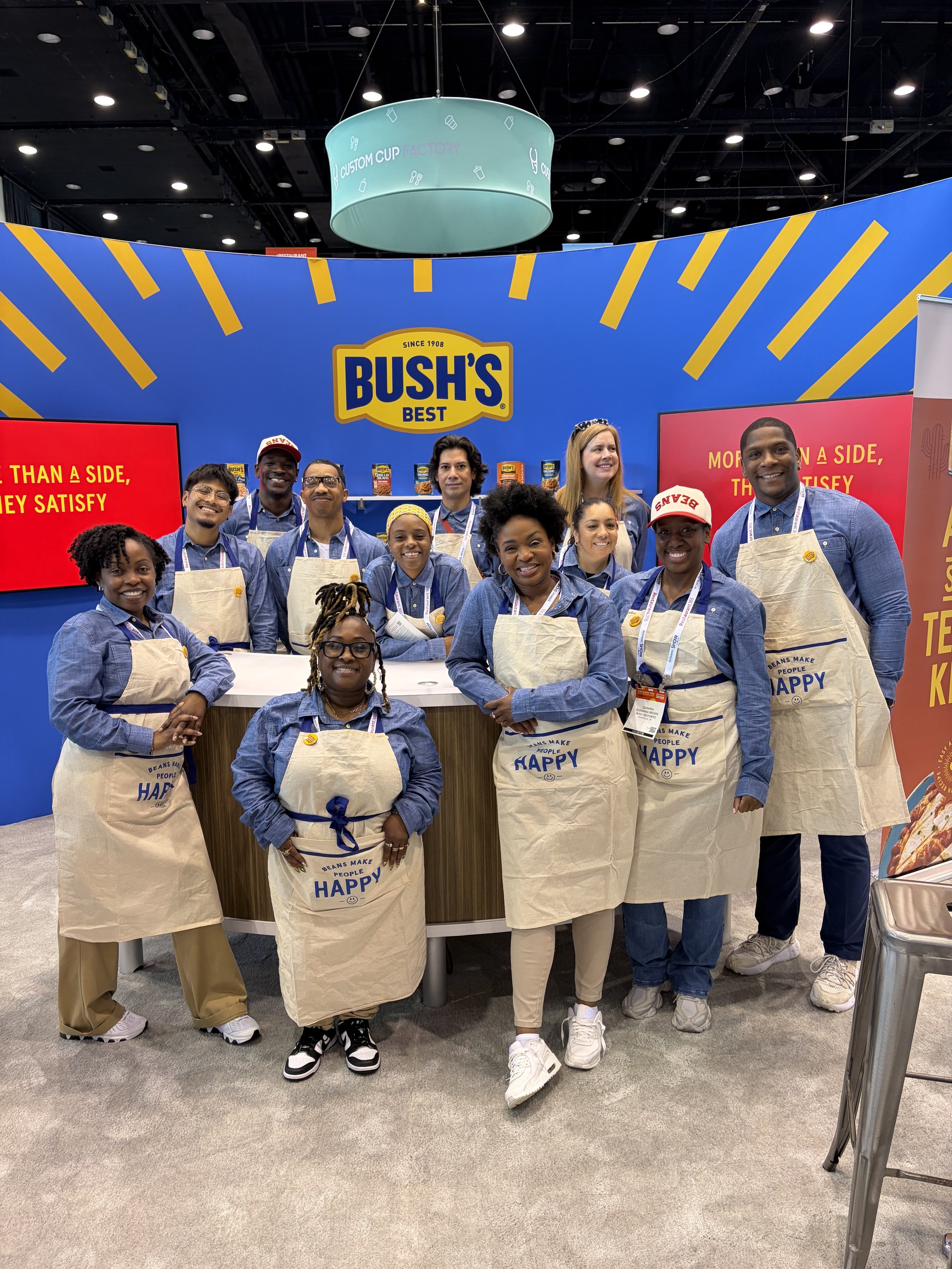
Trade shows are no longer just about handing out swag and collecting business cards. Today’s attendees want to leave with real knowledge, practical skills, and confidence in the solutions they discover on the show floor. Research shows that 64% of learning at trade shows happens outside traditional session rooms—through hands-on demos, peer conversations, and informal exchanges with exhibitors. This shift creates a massive opportunity for brands that know how to design educational experiences that feel natural, engaging, and valuable.
Why Education Is the New Lead Generation
The data is clear: attendees rank product demonstrations and hands-on trials as the number one way they learn best at trade shows, with 75% saying this is their preferred method. Direct access to subject matter experts comes in second at 66%. Yet many exhibitors still treat their booths as static displays rather than dynamic learning spaces.
This gap between what attendees want and what many brands deliver is where smart experiential marketing wins. When you position your booth as a place people go to learn something useful, you stop competing on gimmicks and start competing on value. That’s how you turn casual foot traffic into qualified leads and long-term customers.
Design for Participation, Not Presentation
The most effective trade show education happens when visitors are active participants rather than passive listeners. Think of your booth as a mini-classroom where every interaction teaches something meaningful in under two minutes. Start with a compelling question at the entrance—something like “Why does your inspection process still take three hours?”—to immediately frame the problem you solve.
From there, use a central teaching board or digital display to present information in a clear Scenario, Comparison, Outcome format. This structure helps visitors quickly grasp the value you offer without feeling overwhelmed. Follow up with a practical demonstration that shows your solution in action, then give them three clear next steps: download a resource, book a demo, or request a quote. Use color-coded QR codes positioned at eye level to make each action effortless.
The key is to respect limited attention spans while still delivering depth. During peak traffic, aim for a 60 to 90 second loop per visitor. When things slow down, allow for longer 90 to 180 second conversations. Always have a backup plan—like a cue-card version of your demo—that can launch within seconds if technology fails.
Blend Education With Experience for Maximum Impact
The booths that win in 2026 combine education with experience in ways that feel seamless. EventTrack 2026 identifies the top motivators for trade show engagement as free samples at 49%, product demonstrations at 47%, and educational content at 46%. The most successful activations don’t treat these as separate tactics—they weave them together into a single, memorable journey.
Start by creating an entry point that stops people in their tracks. This could be a striking visual display, an intriguing sound, or a team member offering something unexpected. Once you have their attention, move them into a core activity where they spend the most time—whether that’s a hands-on challenge, a live demo, or a quick workshop. Before they leave, give them one final action to complete, like entering a raffle, sharing a photo, or scheduling a follow-up call.
This participation loop ensures that every interaction has a beginning, middle, and end. It also gives you natural moments to capture intent-based data without making people feel like they’re being sold to. When education feels like an experience, lead generation happens organically.
Extend Learning Beyond the Show Floor
Great trade show education doesn’t end when the event closes. Think about how your booth experience can connect to your broader marketing efforts and give people ways to keep learning after they leave. This could mean sending a follow-up email with a recording of your demo, inviting them to a webinar, or giving them access to a resource library.
Tracking the right metrics helps you understand what’s working. Pay attention to time spent in educational interactions, completion rates for experiential elements, social media engagement with your content, and follow-up conversations that reference specific booth experiences. These insights let you refine your approach for future events and prove the ROI of your experiential strategy.
Build for Discovery and Authentic Connection
Today’s attendees, especially Gen Z and Millennials, are driving demand for informal, on-floor education that feels discoverable and authentic. They want to explore at their own pace, talk to real experts, and walk away with something tangible they can use. Design your activation to reward curiosity. Put interesting people front and center. Give visitors a reason to linger—even if it’s just five extra minutes.
As Ken Holsinger, SVP of Strategy at Freeman, puts it: “Design for discovery. Give them something to try, someone interesting to talk to, and a reason to stay.” That’s where trust is built, relationships begin, and great experiential marketing starts to pay off.
Make Learning Your Competitive Advantage
The trade shows that win in the years ahead won’t be the ones with the biggest budgets—they’ll be the ones that make learning feel like an experience, not a lecture. When you design your booth around education, participation, and authentic connection, you create a space where attendees want to spend their time and where your brand becomes the answer to their problems.
If you’re planning your next activation, ask yourself: Are we teaching, or are we transforming? The difference is what separates forgettable booths from unforgettable experiences.
