
Handling Long Queues at Crowded Events: A Field Guide With Real‑World Perspective
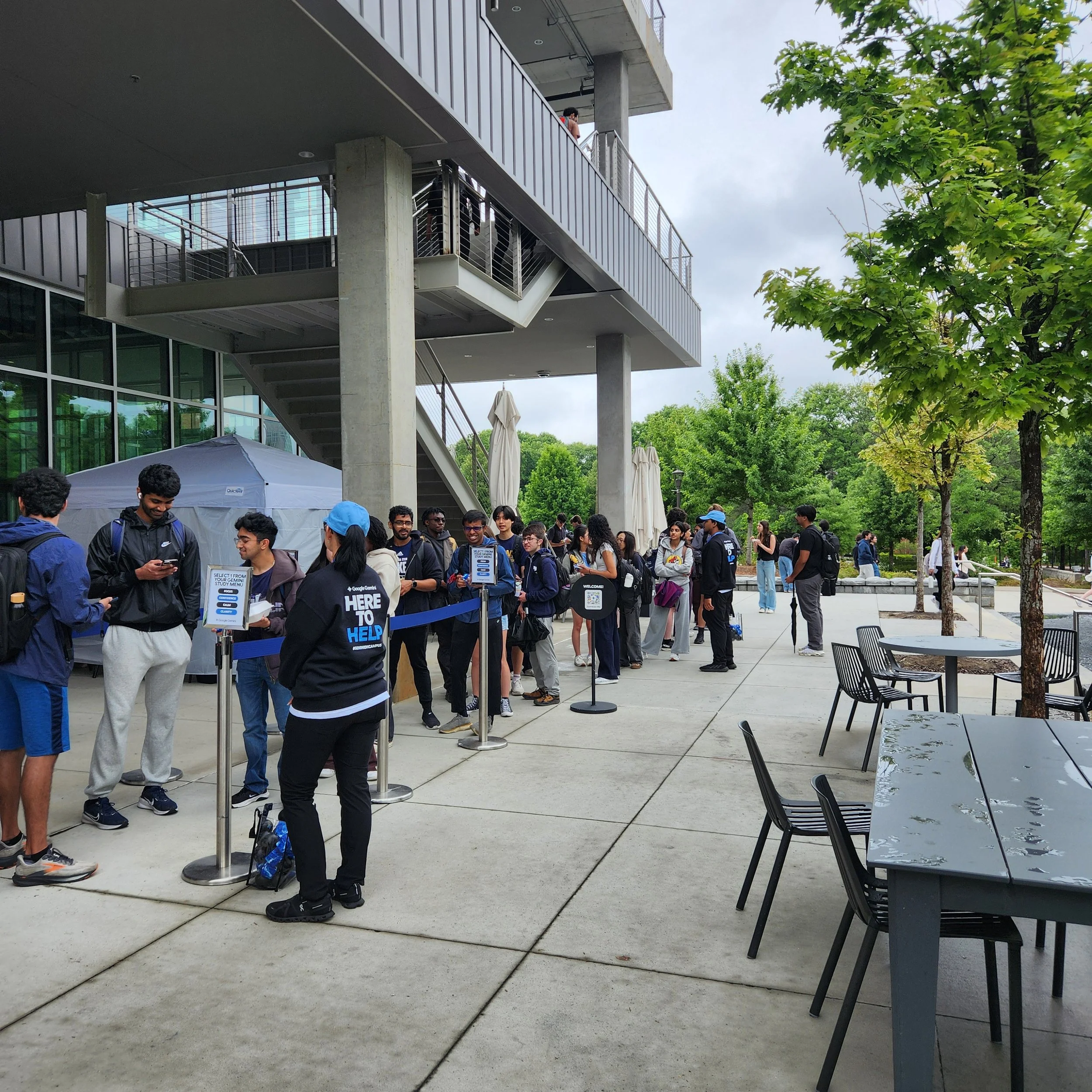
Queues are where first impressions harden and word of mouth begins. When a guest spends 20 minutes in a slow-moving line, the experience they remember is the line, not the headliner. When a parent with two kids gets rerouted twice, they will not recall your brand colors or your clever copy. They will remember whether they felt taken care of.
Queue management is the core part of show design, revenue protection, safety, and guest sentiment. Teams that treat queues as a designed journey consistently capture more spend, reduce complaints, and free capacity without adding expensive infrastructure.
Every crowded event lives with demand spikes. Doors open, a kickoff approaches, an act finishes, rain pushes people indoors, or a viral moment drives everyone to the same zone. In those minutes, the difference between a smooth flow and a breakdown is a handful of operational choices made slightly ahead of the curve. You rarely get praise for a line that moved well, but you always pay for one that did not.
The practical goal is simple. Shorten the wait where you can, keep it moving where you cannot, and make the time feel purposeful either way.
Why Queue Management Matters for Events and Venues
Queue management directly affects guest satisfaction, operational efficiency, and event revenue. A poorly managed queue creates frustration before attendees even reach the experience they came for. Long waits also increase abandonment rates, reduce spending opportunities, and place additional pressure on event staff. For search visibility, this is the heart of event queue management, line control, and crowd flow optimization because it connects guest sentiment to measurable outcomes.
Perceived wait times often have a greater impact on satisfaction than actual wait times. Guests who understand why they are waiting and see visible progress are more likely to remain positive throughout the experience. Effective queue management preserves attendee sentiment while supporting smoother operations across entrances, concessions, merchandise, and accreditation points.
Plan for Demand Before It Arrives
Queues become problematic when predictable demand meets fixed capacity. High-performing operations start with forecasting rather than physical barriers. Review event schedules, arrival patterns, previous attendance data, transport links, and likely traffic surges to identify pressure points before they occur. This is capacity planning applied to live events and it is the most reliable way to reduce long lines without major infrastructure spend.
If historical data is unavailable, build a live model using ticket scans or entrance counts and update staffing plans throughout the day. Moving staff into position before a rush begins is far easier than recovering from a backlog once guests are already frustrated. Reducing friction before guests reach the front of the queue is equally important. Large, visible signage should clearly separate entry points, ticket types, bag checks, and payment methods. Staff positioned ahead of decision points help direct attendees to the correct location the first time.
The final few metres of the journey deserve special attention. Separate scanning from troubleshooting, ordering from payment, and payment from collection whenever possible. Throughput is often determined by process design, not headcount. Eliminating even a few seconds from each transaction can significantly increase the number of guests served during peak periods.
Design Queues for Speed and Simplicity
The physical design of a queue influences how efficiently people move through it. Single-line systems often feel fairer, while multiple lanes can increase throughput when managed correctly. Active queue hosts who direct guests to the next available service point reduce hesitation and keep movement continuous. These are the small choices that turn queue design into real queue optimization.
Special cases should never block standard transactions. Accessibility needs, ticket issues, oversized bags, or other exceptions should be directed to dedicated support lanes. A floating supervisor with decision-making authority can resolve problems quickly without slowing everyone else. This separation protects the primary line while maintaining care for guests who need extra assistance.
Space planning also plays a major role. Avoid layouts that force queues across walkways, through bottlenecks, or into congested areas. Straight sightlines, clear entry points, and unobstructed exits support smoother movement. A single delayed transaction can create a ripple effect that impacts dozens of guests behind it. Separating standard transactions from exception handling helps maintain consistent flow and reduce bottlenecks.
The Human Element in Queue Management
Technology and signage support operations, but people influence behavior. A calm, visible queue host often improves flow more effectively than additional signs. This is where staff training meets guest experience and where line control becomes hospitality rather than enforcement.
Staff should provide concise updates, maintain eye contact, and communicate confidently. Simple statements such as “approximately five minutes from here” or “two groups ahead” provide reassurance and reduce uncertainty. Uncertainty makes waits feel longer. Guests are generally willing to wait when they understand what is happening and believe progress is being made. Regular updates reduce frustration and improve perceptions of service quality.
Comfort measures also contribute to a better experience. Shade, heating, water stations, or weather protection can significantly improve how guests perceive waiting time during longer queues. Small investments in comfort have an outsized effect on sentiment scores and reviews.
Reduce Wait Times Without Expanding Infrastructure
Additional infrastructure is not always necessary to improve throughput. Redistributing demand often delivers better results than adding more counters or equipment. This is the essence of smart crowd flow strategies and dynamic staffing.
Mobile check-in stations, satellite service points, and pop-up merchandise locations help spread traffic across multiple touchpoints. Pre-order systems and timed collection windows remove transactions from the main queue entirely. Major sporting events, festivals, and exhibitions adopt these approaches because they reduce pressure on central service areas while maintaining a positive guest experience. Every attendee served outside the primary queue improves flow for everyone else.
Turn Wait Time Into Engagement Time
Waiting does not need to feel wasted. Many experiential marketing teams now activate queue areas because attendees are stationary and attentive. Done well, this lifts brand metrics without slowing movement.
Screens showing live content, match highlights, interviews, or event updates help maintain engagement. QR code trivia games, prediction polls, and social media prompts provide lightweight entertainment while reinforcing brand messaging. Sponsor moments and photo opportunities positioned alongside queues create additional value without disrupting flow. The line becomes part of the experience rather than a barrier to it, which reduces perceived wait and supports higher satisfaction.
Optimize the Final Handoff at Point of Service
The last interaction often shapes the guest’s lasting impression. Staff should acknowledge the next guest before completing the current transaction and maintain a steady pace throughout service. Clear communication, accurate transactions, and confident direction help guests move efficiently while reinforcing trust in the event operation.
Friendly precision at the point of service improves satisfaction and reassures everyone still waiting. The final handoff represents the moment where operational efficiency becomes a guest memory. A strong finish can offset earlier frustrations and raise the likelihood of positive reviews and repeat attendance.
Measure, Learn, and Improve Queue Performance
Queue management is a continuous discipline. Track average wait times, throughput per lane, abandonment rates, and the frequency of special handling requests. Monitor recurring causes of delays and address them during the event rather than waiting for a post-event review. This real-time feedback loop is the operational backbone of sustained queue improvement.
Every event needs contingency plans for unexpected disruptions. Equipment failures, weather shifts, network issues, and sudden crowd surges are inevitable. Backup scanners, printed signage, alternative routing plans, and trained supervisors help maintain control when conditions change. Once peak periods pass, walk the guest journey and gather feedback from staff while details remain fresh. Small adjustments to layouts, scripts, staffing levels, or signage often produce meaningful improvements for the next session or the next day.
From Long Lines to Managed Flow
Treat queues as designed experiences and they will stop draining energy from your event. Guests will feel guided. Staff will feel in control. Operations will run more efficiently. The work is in seeing the queue through the eyes of the person standing in it, removing unnecessary friction, and communicating clearly from arrival to departure. For search engines and for readers, this article centers on event queue management, crowd flow, line control, and guest experience because these are the levers that turn long queues into smooth, predictable movement without overbuilding infrastructure.
