
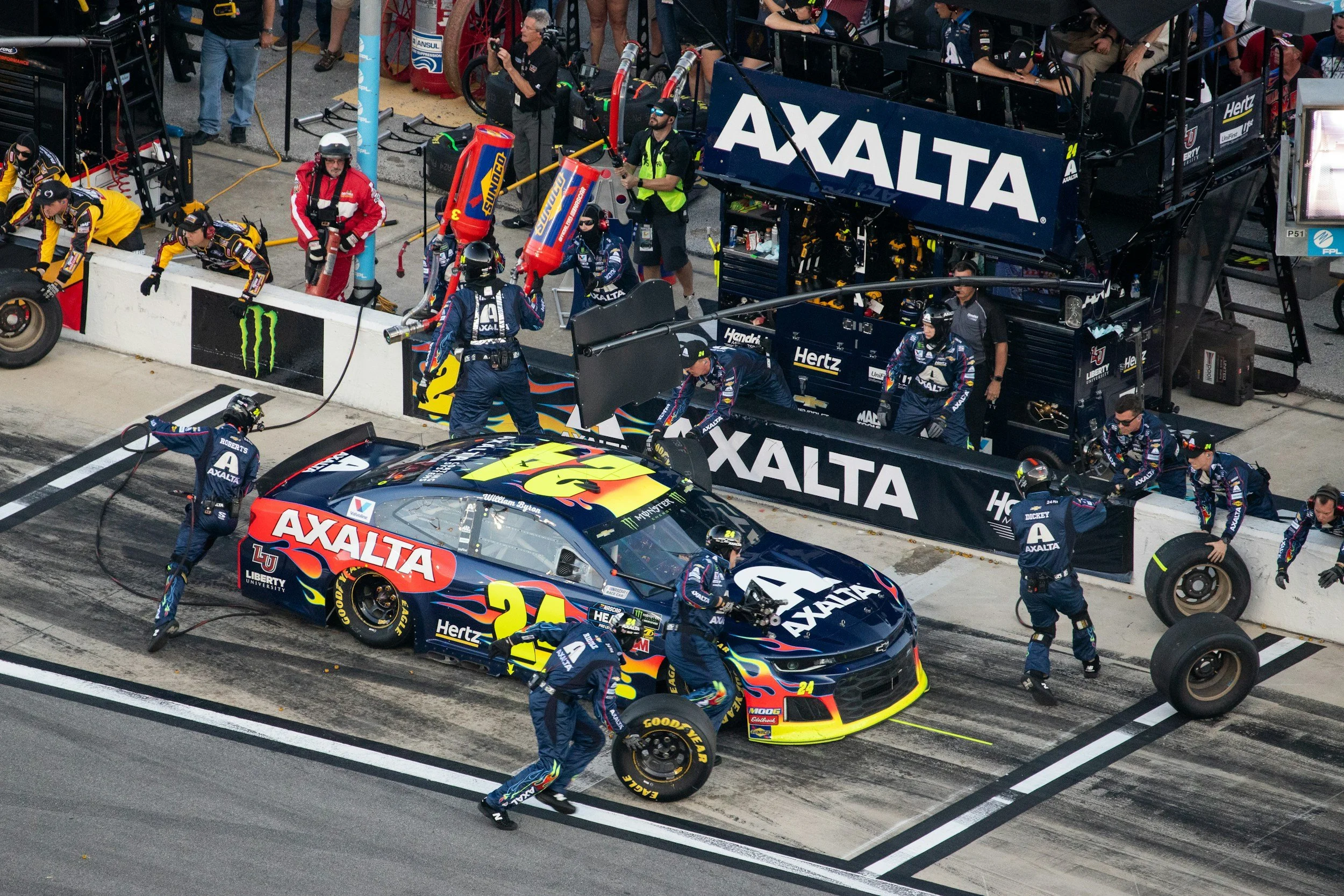
On Sunday, 15 February at 21:30, Daytona International Speedway in Daytona Beach, Florida, took centre stage as the Daytona 500 officially launched the NASCAR Cup Series season. The 500-mile race is one of the most anticipated events on the American sporting calendar, drawing hundreds of thousands of fans, teams, sponsors, and media from around the world. While the high-speed action on the track commands global attention, the true scale of the Daytona 500 extends far beyond the race itself. Behind the scenes, complex logistics, large-scale staffing operations, brand activations, and crowd management come together to deliver a seamless experience, positioning the event as a benchmark for large-scale sports event execution.
Frequently Asked Questions
Why is the Daytona 500 more than a race?
The event runs across multiple days with fan zones, media activity, hospitality, and sponsor activations, which increases operational and staffing complexity.
What staffing scale does the Daytona 500 require?
Thousands of staff support security, guest services, operations, media, hospitality, and brand activations across the venue.
Why does staffing impact the fan experience?
Staff control flow, provide information, and manage issues in real time, which keeps the event efficient and enjoyable.
A race built on scale and tradition
This level of execution starts with the event’s deep legacy. As NASCAR’s most prestigious race, the Daytona 500 carries both history and expectation. Fans arrive not only for competition, but also for the atmosphere and shared tradition surrounding the event. As a result, organisers and brands face a dual responsibility. They must deliver a modern, seamless experience while respecting the sport’s roots. The size of the event intensifies this challenge. Grandstands, fan zones, hospitality suites, media centres, and sponsor activations operate across multiple days, which means every detail must align. From access routes to guest services, each element shapes how the event is perceived as a whole.
Event staffing at the centre of the experience
To support this scale, staffing moves from a background function to a central driver of success. Thousands of staff members operate across security, guest services, hospitality, brand activations, media coordination, and operations. Their performance directly affects how fans navigate the venue, access information, and feel supported throughout the day. In a high-energy environment like the Daytona 500, staff also manage heightened emotions, peak crowd surges, and tight race-day timelines. For this reason, clear role definition and strong on-site leadership remain essential. When teams understand responsibilities and escalation paths, operations stay fluid even during the busiest moments.
Brand presence beyond the racetrack
With operations running smoothly, brands gain space to engage fans in meaningful ways. The Daytona 500 serves as a major platform for brand engagement, with sponsors activating across fan zones, experiential installations, merchandise areas, and hospitality spaces. These activations form a core part of the fan experience rather than an added layer. Fans expect interaction that feels authentic to motorsport culture, whether through immersive displays, hands-on activities, or personalised engagement. Here, event staff become the connection point. Brand ambassadors, product specialists, and hospitality teams translate brand values into live interactions, shaping lasting impressions long after race day ends.
Managing crowd flow and guest experience
As brand and fan experiences unfold, crowd flow becomes an operational priority. Tens of thousands of attendees move through entry points, concession areas, restrooms, and viewing zones throughout the day. Without careful planning, congestion quickly undermines enjoyment. The Daytona 500 shows how thoughtful spatial design paired with visible staffing improves guest comfort. Strategically placed staff guide movement, answer questions, and address pressure points before they escalate. This proactive approach keeps attention on the experience rather than logistics and reinforces a key takeaway. Guest experience depends as much on access and movement as on entertainment.
Precision under pressure
All of these elements operate within an unforgiving timeline. Race day follows a fixed schedule shaped by broadcast windows, safety protocols, and ceremonial moments. This leaves little room for error. Teams must remain prepared, adaptable, and calm under pressure. Training that mirrors real race-day conditions equips staff to respond confidently when plans shift. When execution stays controlled, complexity fades into the background and guests experience the event as seamless.
Lessons for large-scale live events
Taken together, the Daytona 500 offers clear lessons for large-scale live events. Early planning sets the foundation, while realistic staffing models ensure coverage at every touchpoint. Training rooted in real-world conditions supports consistency and confidence on site. The event also shows that brand experiences perform best when supported by informed, prepared teams. Above all, the Daytona 500 reinforces a simple truth. People deliver memorable moments. From first entry to final celebration, human interaction defines the experience.
Key Takeaways
The Daytona 500 stands as one of the most iconic sporting events in the world, not only because of what happens on the track, but because of the precision, planning, and people behind it. Its success comes from the seamless integration of sport, experience, and execution. For brands and event organisers, the takeaway is clear. When staffing, structure, and strategy align, even the most complex events deliver experiences that resonate at speed, at scale, and under pressure.
